

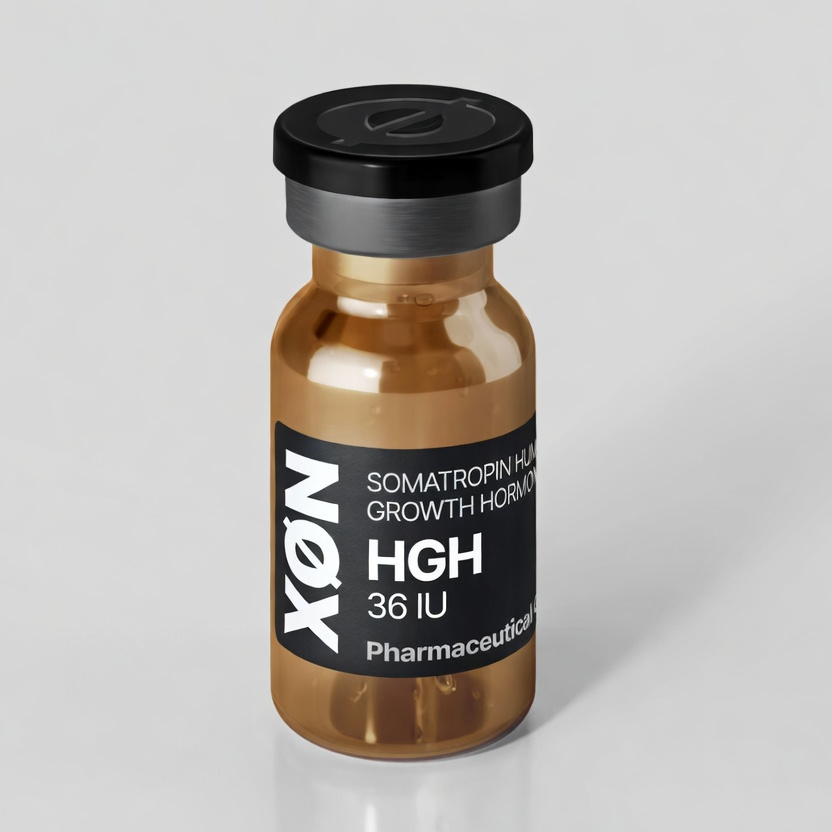
Human Growth Hormone, commonly known as HGH, is a naturally occurring hormone that plays an important role in growth, development, metabolism, and the maintenance of tissues throughout the body. Produced primarily by the pituitary gland, HGH is especially important during childhood and adolescence, when it supports normal physical growth. However, its functions continue into adulthood, where it contributes to muscle and bone health, body composition, and other biological processes.
Interest in Hgh has increased significantly over the years because of its connection with physical development, athletic performance, aging, and certain medical conditions. Despite its popularity, HGH is a complex hormone, and its use outside medically supervised treatment can involve significant risks. Understanding what HGH is, how it works, and when it may be medically appropriate can help people make more informed decisions.
What Is HGH?
HGH stands for human growth hormone. It is a peptide hormone produced and released by the pituitary gland, a small structure located at the base of the brain. The hormone is essential for normal growth in children and has important functions throughout adulthood.
HGH does not simply make bones and muscles grow directly. Instead, it stimulates several biological processes, including the production of insulin-like growth factor 1, or IGF-1. Much of the growth-promoting activity associated with HGH occurs through this hormone and related pathways.
HGH secretion is naturally regulated by the body. Levels tend to rise during periods of deep sleep and can also be influenced by exercise, nutrition, stress, and other physiological factors. Production is generally highest during childhood and puberty and gradually decreases with age.
How Does HGH Work?
The primary role of HGH is to support growth and development. During childhood, HGH stimulates the growth of bones and other tissues, helping children reach their genetically determined height potential. Its effects are particularly important during puberty, when growth hormone activity works alongside other hormones to support rapid physical development.
In adults, HGH continues to influence the body even though height no longer increases. It helps regulate the production of IGF-1 and contributes to protein synthesis, tissue repair, bone metabolism, and the way the body uses fats and carbohydrates.
HGH can also influence body composition. Adequate growth hormone activity is associated with maintaining lean tissue and supporting normal fat metabolism. However, this does not mean that taking additional HGH automatically produces healthy weight loss or significant muscle development. Hormone levels are carefully controlled by the body, and excessive amounts can disrupt normal physiology.
HGH and Growth Hormone Deficiency
One of the most established medical uses of HGH is the treatment of certain forms of growth hormone deficiency. Children with an appropriately diagnosed deficiency may experience unusually slow growth or short stature. In selected cases, doctors may prescribe recombinant human growth hormone to help support normal development.
Adults can also have growth hormone deficiency. It may result from problems affecting the pituitary gland, hypothalamus, or other parts of the endocrine system. Adults with confirmed deficiency may experience changes in body composition, reduced bone density, lower energy, and other symptoms.
Diagnosis is not usually based on symptoms alone. Healthcare professionals may review medical history, physical development, hormone measurements, stimulation testing, and other clinical information before determining whether treatment is appropriate.
HGH and Aging
HGH naturally declines with age, which has led to considerable interest in its potential role in anti-aging treatments. Some clinics and commercial programs promote HGH as a way to restore youthful characteristics, improve muscle mass, reduce body fat, or increase energy.
However, the natural decline in HGH with age is not necessarily a disease. Increasing HGH levels in otherwise healthy adults does not simply reverse the aging process. Research has raised concerns about potential side effects, particularly when HGH is used without a medically established indication.
Aging is a complex biological process involving numerous systems, including genetics, metabolism, cardiovascular health, immune function, and lifestyle factors. HGH alone cannot be considered a comprehensive anti-aging solution.
Potential Benefits of Medically Prescribed HGH
When HGH is prescribed for a properly diagnosed medical condition, treatment can provide meaningful benefits. In children with growth hormone deficiency, it can improve growth and help them move closer to their expected height range.
In adults with confirmed deficiency, medically supervised HGH therapy may improve body composition and support bone health and other aspects of physical functioning. The potential benefits depend on the underlying condition, the individual’s age, hormone levels, and response to treatment.
It is important to distinguish medically indicated HGH therapy from the use of HGH for bodybuilding, cosmetic purposes, or general performance enhancement. The risks and benefits can be very different when the hormone is used without a confirmed deficiency.
Possible Side Effects and Risks of HGH
HGH is a powerful hormone, and using excessive amounts can cause unwanted effects. Possible problems can include swelling caused by fluid retention, joint or muscle pain, numbness or tingling, and changes in blood sugar regulation.
Long-term or inappropriate use may also contribute to more serious complications. Excessive growth hormone activity can cause abnormal enlargement of tissues and changes in metabolism. People with certain medical conditions may face additional risks.
Because of these potential complications, HGH should only be used under appropriate medical supervision when it has been prescribed for a legitimate medical indication. Self-administering HGH or obtaining it from unregulated sources can make treatment considerably more dangerous because the product’s quality, dosage, and authenticity may be uncertain.
HGH, Exercise, and Muscle Growth
HGH is often discussed in connection with fitness and bodybuilding because of its role in tissue growth and metabolism. Exercise itself can temporarily increase growth hormone secretion, particularly during intense physical activity.
Despite this relationship, naturally stimulating HGH through exercise is very different from taking pharmaceutical Hgh. Increasing hormone levels artificially does not guarantee proportional improvements in strength or athletic performance.
Resistance training, adequate protein intake, sufficient sleep, balanced nutrition, and consistent recovery remain fundamental components of healthy muscle development. Anyone considering hormone treatment for athletic purposes should understand that non-prescribed HGH use can carry significant health risks.
Natural Factors That Influence HGH
The body’s HGH production is affected by several everyday factors. Sleep is particularly important because significant HGH secretion occurs during deep sleep. Maintaining a consistent sleep schedule and practicing good sleep habits can therefore support normal hormone regulation.
Regular physical activity can also influence HGH secretion. Healthy nutrition is important as well, although extreme dieting or fasting should not be viewed as a safe substitute for medical treatment when someone has a genuine hormone deficiency.
Overall health, body composition, stress, and other hormones can also influence growth hormone production. Rather than focusing on a single hormone, maintaining a healthy lifestyle supports the broader systems involved in endocrine health.
When Should You Talk to a Doctor About HGH?
Anyone concerned about growth, development, unusual changes in body composition, or possible hormone problems should speak with a qualified healthcare professional. A doctor or endocrinologist can determine whether symptoms may be related to HGH or another medical condition.
People should be particularly cautious about products marketed online as HGH boosters, anti-aging treatments, or alternatives to prescription therapy. Claims made in advertisements do not necessarily reflect established medical evidence.
Conclusion
HGH is an important hormone with essential roles in childhood growth, adult metabolism, tissue maintenance, and overall physiological function. While medically prescribed HGH can be beneficial for people with certain diagnosed conditions, using it without appropriate medical supervision is not risk-free.