

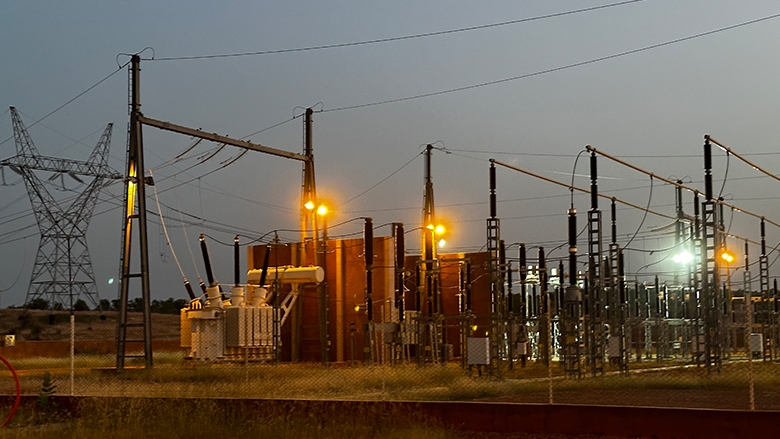
Africa has talent. Africa has resources. Africa has demand. What it often lacks is steady power. That gap slows growth more than most people realise.
Electricity is not a luxury. It is the base layer of modern life. When power works, economies move. When it fails, progress stalls.
More than 600 million people in Sub-Saharan Africa still lack access to electricity. Many more deal with daily outages. The World Bank estimates unreliable power costs African economies around $28 billion each year. That is lost output, spoiled goods, idle labour, and missed opportunity.
Reliable power is not one issue among many. It is the growth engine.
Power and Productivity Go Together
Factories Need Consistency
A factory cannot run on hope. It needs steady voltage. It needs uptime.
When the grid cuts every hour, machines reset. Production lines stop. Workers wait. Output drops. Costs rise.
One energy executive once described walking through a plant where the lights failed every 20 minutes. Workers stood ready. Raw materials were stacked. The only missing piece was power. That story, often shared by leaders like Leslie Nelson GE Angola, shows how infrastructure shapes productivity.
If a factory runs 95 percent of the time instead of 70 percent, profits change. Hiring changes. Expansion becomes possible.
Small Businesses Feel It First
Large firms can afford backup generators. Small shops cannot.
Diesel generators can cost two to three times more per unit of energy than grid or solar power. Fuel prices shift weekly. Maintenance adds cost.
A bakery that spends half its profit on fuel does not expand. It survives.
Reliable power lowers operating cost. Lower cost frees cash. Cash funds growth.
Jobs Follow Energy
Investment Follows Stability
Investors look for predictability. They ask one question first: will operations run without constant interruption?
Countries with stable power attract more manufacturing and processing jobs. Countries with unstable grids see capital move elsewhere.
According to surveys by the World Bank, firms in some African countries lose up to 10 percent of annual sales due to power outages. That loss reduces tax revenue. It reduces wages. It reduces reinvestment.
Reliable power sends a signal. It says this market can handle scale.
Energy Enables New Sectors
Tech hubs. Cold storage. Agro-processing. Data centres. All depend on steady electricity.
Cold chains fail without power. Crops spoil. Food waste rises.
Stable electricity supports storage, packaging, and export. That keeps more value inside local economies.
Health and Education Depend on Power
Growth is not only about GDP. It is about people.
Hospitals need electricity for surgery, lighting, and equipment. Vaccines need refrigeration. Outages put lives at risk.
Schools need power for evening study. Students in areas without reliable electricity lose learning hours.
Reliable energy improves outcomes quietly but consistently.
The Grid Problem
Losses Drain Capacity
Many African grids lose 15 to 30 percent of generated electricity through weak lines and informal connections. Fixing these losses can add usable power without building new plants.
Maintenance is often underfunded. Repairs are delayed. Small problems grow.
Strengthening transmission is less visible than building new plants. It is also often more effective.
Regional Power Trade
Power sharing between countries reduces shortages. If one country has surplus hydro power, another can buy it.
Regional pools already operate in parts of Southern Africa. Expanding these systems improves stability and lowers cost.
Cooperation adds resilience.
Practical Solutions That Work
Invest in Maintenance First
New plants grab headlines. Maintenance keeps systems alive.
Governments should prioritise grid upgrades and loss reduction. Investors should track uptime, not just installed capacity.
A system that runs 98 percent of the time beats one that fails weekly.
Support Embedded and Mini-Grids
Mini-grids power rural areas faster than waiting for national grid expansion.
Embedded systems support factories and estates directly. They reduce strain on national grids.
These systems work because they match demand closely.
Fix Payment Systems
Power that cannot be paid for does not last.
Prepaid models reduce losses. They align usage with income.
Clear billing builds trust. Trust builds payment discipline.
Train Local Operators
Technology alone does not keep power on. People do.
Training technicians reduces downtime. Local operators fix problems faster than distant contractors.
Skills build resilience.
What Businesses Can Do Now
Track real energy costs. Include generator fuel, maintenance, and downtime.
Explore shared systems with nearby firms.
Engage in dialogue with regulators about reliability, not just tariffs.
Demand uptime metrics in contracts.
What Individuals Can Do
Learn how your local power system works.
Support energy education initiatives.
Advocate for maintenance funding in public forums.
Share real data about outages and costs.
Small awareness shifts shape larger policy.
Reliable Power Changes the Curve
Reliable electricity does not create growth alone. It enables it.
When lights stay on, shifts extend. When machines run, output rises. When costs fall, hiring increases.
Energy reliability compounds over time.
Africa’s growth story will not be written only in policy papers or investment reports. It will be written in factories that run without interruption. In clinics that stay lit through the night. In shops that close by choice, not by outage.
Power is the base layer. Strengthen it, and everything above it rises.