

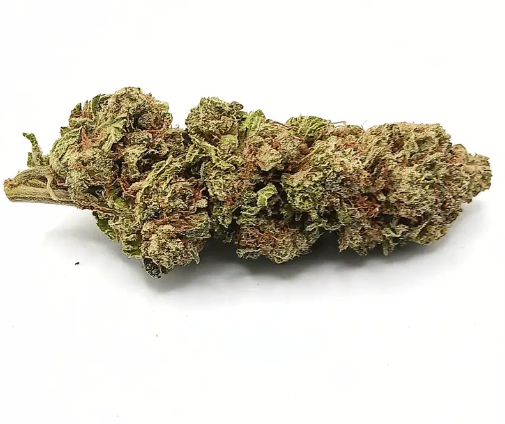
A cannabis product description can provide much more information than a product name alone. Online shoppers may encounter details about the product format, weight, cannabinoid content, strain genetics, terpene profile, flavour notes and overall characteristics. Understanding these details makes it easier to compare different listings and identify products that match specific preferences.
Product descriptions can also vary considerably depending on the type of cannabis being presented. Flower listings may focus on appearance, aroma and genetics, while concentrates can include additional details about texture, consistency and extraction style. Edibles may provide information about format and serving size. Learning how to interpret these descriptions creates a more consistent way to evaluate products without relying solely on names or promotional language.
Understanding the Product Name and Format
The product name is usually the first detail shoppers notice, but it should be considered alongside the product format. Cannabis may be available as flower, concentrate, edible or another specialised preparation, with each format having its own characteristics.
A listing might identify a specific strain, concentrate type or product style. Terms such as flower, hash, shatter, distillate or edible indicate the basic format and help establish what kind of product is being described.
Product names can also contain references to genetics, flavour profiles or brand-specific naming. These details should not automatically be treated as indicators of quality. Instead, they provide starting points for understanding what the listing contains.
Checking Weight and Quantity
Weight is an important part of any cannabis product description because it allows shoppers to compare listings more accurately. Two products may appear similar at first glance while containing noticeably different quantities.
For flower, weight is commonly presented in grams. Concentrates and other products can use different quantities or package formats. Looking carefully at the listed amount prevents comparisons based solely on the displayed price.
Quantity can also help when organising a product collection. Someone interested in exploring several varieties may prefer smaller quantities across different products, while another shopper may focus on a single format. The product description provides the information needed to understand what is actually included.
Understanding Cannabinoid Information and Cannabis Shatter
Cannabinoid information is another important part of a detailed product description. Listings may identify cannabinoids such as THC and CBD, along with stated percentages or amounts where applicable. These figures provide a more specific description of the product than its name alone.
For concentrate shoppers, terminology can also identify the type of preparation. A listing featuring cannabis shatter may describe its consistency, appearance and concentrate format, helping distinguish it from products such as hash, distillate or other extracts.
Cannabinoid information should be read alongside the rest of the description rather than considered in isolation. The stated cannabinoid profile, product format, quantity and other characteristics collectively provide a clearer picture of the listing.
Understanding Strain or Genetics
Strain and genetic information can help explain why two cannabis flower products may have different characteristics. Names associated with Indica, Sativa and Hybrid categories are commonly used as broad classifications, while individual strains can have their own genetic backgrounds and product descriptions.
When reading this section of a listing, several details can be useful:
- Strain name: The specific strain provides a reference point for identifying the product and comparing it with other listings.
- Genetic background: Information about parent strains can add context to the characteristics associated with a particular variety.
- Indica, Sativa or Hybrid classification: These categories offer a broad way to organise flower varieties, although individual products can still differ considerably.
- Cultivar-specific information: More detailed listings may provide additional information about lineage or breeding, giving shoppers greater context.
Genetic information is particularly useful for people building familiarity with different flower varieties. Over time, comparing descriptions can help identify recurring preferences in aroma, flavour, appearance and other characteristics.
Aroma, Flavour and Terpene Information
Aroma and flavour descriptions provide another layer of information that may not be apparent from the product name. Cannabis flower can have noticeably different aromatic profiles, while concentrates can also be described according to their scent, flavour or terpene characteristics.
Terpenes are naturally occurring aromatic compounds found in cannabis and many other plants. Product descriptions may mention terpene names or use broader descriptions such as citrus, earthy, pine-like, floral, fruity or herbal.
These descriptions can be useful when comparing products with similar formats. A shopper interested in citrus-oriented aromas, for example, can compare terpene and flavour notes across several listings instead of relying only on strain names.
However, descriptive language can be subjective. One listing may use several flavour terms while another may provide only a short description. Reading the complete product information helps place these individual details into context.
Comparing Listings Before Buying
Once the major parts of a product description are understood, listings can be compared using consistent criteria. This approach reduces the temptation to focus on one prominent detail while overlooking other information that may be equally relevant.
A practical comparison can include the following:
- Product format: Confirm whether the listing contains flower, concentrate, edible or another product type so that similar products are being compared.
- Quantity: Check the stated weight or package size before comparing prices or value between listings.
- Cannabinoid information: Review the available THC, CBD and other cannabinoid details where provided.
- Genetics: Compare strain names, classifications and lineage information when evaluating flower products.
- Aroma and flavour: Look at terpene information and descriptive notes to identify differences between product profiles.
- Physical characteristics: For flower and concentrates, descriptions of appearance, texture or consistency can provide additional context.
- Product details: Review the complete listing rather than relying solely on the title or a short promotional description.
A structured comparison makes product descriptions more useful as reference material. It also gives shoppers a consistent method for evaluating different listings, particularly when several products belong to the same category.
Conclusion
A cannabis product description works as a compact reference guide for understanding what a listing contains and how it differs from similar products. Product format, quantity, cannabinoid information, genetics, aroma, flavour and terpene details can all contribute to a clearer comparison.
Rather than focusing on a single specification, shoppers can consider the complete description and compare several relevant details together. This approach is especially useful when exploring different flower varieties, concentrates and other cannabis formats. With greater familiarity with product terminology, online listings become easier to read, compare and understand.