

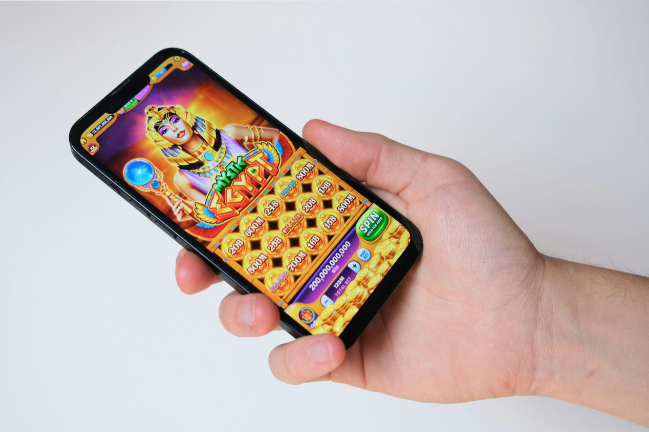
Open two online casino websites, and their game menus may look familiar. The same spinning reels, card tables, and colorful bonus rounds often appear across platforms. Casino operators can license games created by outside studios, which may supply multiple websites. That overlap can make competing game libraries difficult to distinguish.
Exclusive content offers another approach. Through special licensing agreements and customized development, operators can give their libraries an identity beyond sheer game count. Those arrangements reveal what an exclusive label actually means, and what it doesn’t. That makes the differences between an ordinary licensed release and a custom title worth examining.
Why Online Casinos Often Share the Same Games
Many online casinos work with specialist software studios rather than designing every title themselves. Studios develop games and distribute them to operators in markets where their content is permitted. A popular release can therefore appear in several libraries, sometimes with little visible difference.
Shared catalogs have advantages. They let operators assemble broad selections without commissioning every game, while giving customers access to familiar formats. A carefully chosen catalog can still appeal more than a larger collection with less intuitive navigation. Operators also decide which titles deserve prominent placement, rather than treating every release equally.
The challenge comes when competing platforms have nearly interchangeable menus. A visitor browsing hundreds of titles might struggle to identify anything distinctive about one site. Operators can compete through navigation and presentation, but platform-specific games offer another difference.
Industry discussions in 2026 cite overlapping catalogs as one reason operators invest in bespoke content. These are commercial perspectives, not proof that exclusive releases always perform better. The distinction is between licensing a widely distributed title and shaping something less widely available.
4 Ways Online Casinos Create Exclusive Games
An exclusive game doesn’t necessarily begin with a blank screen. Studios and casino operators can develop customized content in several ways, depending on the project’s scope and licensing arrangements.
- Adapted games: A studio can modify an existing game framework with new artwork, sounds, or features while preserving familiar mechanics.
- Original development: Some projects involve creating new designs and gameplay mechanics from the outset, which may require additional development and testing.
- Intellectual property licensing: Rights holders can authorize studios to create games based on established entertainment properties. In 2025, Evolution announced an exclusive agreement with Hasbro involving Monopoly and other properties.
- Restricted distribution: Agreements may limit a game’s availability to a particular operator, territory, format, or period, depending on the contract.
These approaches can make a game library more distinctive, but exclusivity doesn’t automatically mean better gameplay or a completely original product. The label describes an arrangement whose scope can vary between releases.
What Makes Exclusive Casino Games Different?
Dedicated categories make special releases easier to locate. Instead of searching an entire menu, visitors can browse games grouped under an exclusives label. Collections of exclusive online slots show how a platform presents these titles together within its wider library.
An exclusive slot may feature distinctive artwork, a recognizable theme, or a particular bonus presentation. Some customized games change underlying rules; others mainly change the appearance of an existing format. Those differences aren’t always clear from a thumbnail, making descriptions useful. Those details matter especially when unfamiliar titles use features that aren’t always immediately obvious at first glance.
Exclusivity shouldn’t be confused with better chances of winning. Outcomes depend on the game’s design and applicable technical requirements, not its marketing label. Players should check rules and payout information rather than assume a restricted release offers an advantage.
The distinction extends beyond slots. Casino collections can also include exclusive table games or live dealer formats, depending on platform and jurisdiction. Distribution arrangements, rather than any one gameplay style, connect these products.
How Exclusive Content Helps Casinos Stand Out
A library has an identity partly because of its games and partly because of their arrangement. A bookstore needs shelves and signs that make sense; a digital game menu presents a similar problem. Clear categories separate unfamiliar releases from established favorites.
Customized games can reinforce a platform’s visual identity. Studios may coordinate artwork, sounds, and interfaces with an operator’s design, making individual titles recognizable. Industry representatives describe exclusives as tools for differentiation and engagement, though those benefits aren’t guaranteed.
There are trade-offs for visitors. Familiar games may be easier to compare across platforms, while unique titles can require more explanation before their mechanics become clear. A distinctive library works best when people understand their choices without confusing promotional labels.
For adults, choice should come with clear information. Rules, wager limits, and responsible gambling resources matter whether games are exclusive or widely distributed. Attractive presentation shouldn’t obscure the details of playing with real money.
Why Exclusive Casino Games Have Licensing Limits
Customized content requires coordination among operators, developers, and sometimes licensing partners. Projects can involve artwork, software changes, testing, regulatory review, and technical maintenance. Even a small visible change may increase development work.
Exclusivity agreements also have boundaries. A studio might distribute one title broadly while reserving another for a particular partner or market. Contracts expire, restrictions change, and related versions may appear elsewhere.
Regulation adds another layer. Legal online casino availability differs across U.S. states, and operators must follow applicable local rules. Understanding how online gaming licenses work provides useful context for why game availability and operating permissions vary between jurisdictions.
Operators consequently face a balancing act. Custom releases may strengthen a collection, but development costs and licensing restrictions matter alongside familiar games. A useful library needs dependable variety, not exclusivity for its own sake.
What Makes an Exclusive Casino Library Worth Exploring?
Exclusive content offers online casinos another way to shape their identities. Some titles come from original development; others emerge through tailored designs or restricted licensing rights. Each arrangement can produce something distinctive, but its label alone says little about quality or fairness.
Strong collections combine familiar games with clearly explained differences. As new partnerships develop, sensible navigation, transparent rules, and responsible safeguards remain more meaningful than claims that exclusive games are automatically better. Clear presentation also makes unfamiliar titles easier to assess responsibly.