
For people with type 2 diabetes, the day is a sequence of glucose highs and lows that finger-prick tests only sample in snapshots. Continuous glucose monitors change that picture completely — and the evidence for their benefit keeps strengthening. CGM users with type 2 diabetes spend about five more hours a day in a healthy blood-sugar range compared with conventional monitoring, a difference large enough to reshape how the condition is managed.
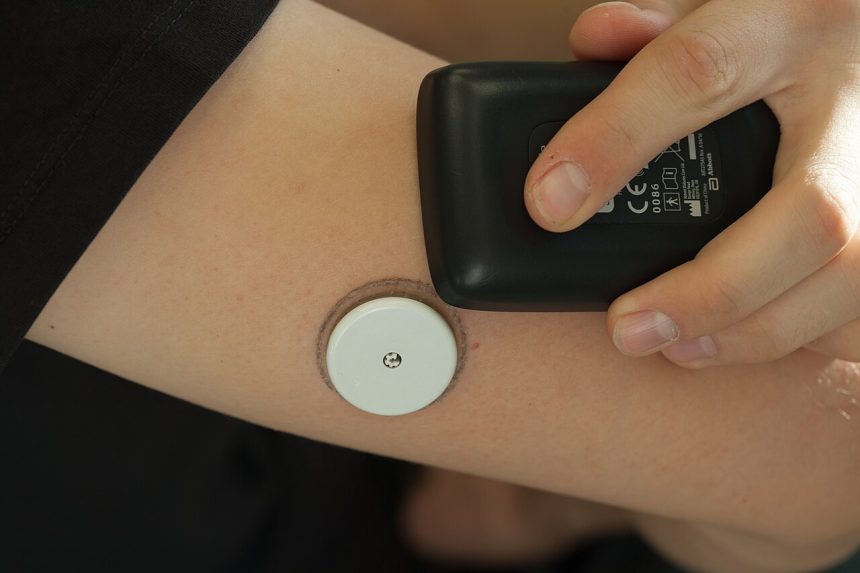
A continuous glucose monitor is a small wearable sensor, usually worn on the arm or abdomen, that measures glucose in the fluid under the skin every few minutes and sends the readings to a phone or receiver. Instead of four or five isolated numbers a day, patients and clinicians see the whole curve: the dawn rise, the post-lunch spike, the overnight dip. “Time in range” — the share of the day spent within target glucose levels — has become the metric that captures what that visibility is worth, and five extra hours a day inside it is a substantial shift.
Why five hours in range matters
Time in range is not a vanity metric. Sustained periods above range drive the complications that make diabetes dangerous — damage to eyes, kidneys, nerves and blood vessels accumulates with glucose exposure — while periods below range carry their own immediate risks. Guidance from the American Diabetes Association treats time in range as a core target alongside HbA1c, because two patients with the same average glucose can have very different daily patterns, and the pattern is what patients actually live with.
Five more hours a day in range, compounded over months and years, is the kind of change that shows up later in complication rates and quality of life. It also changes behaviour in the present. A sensor that shows a meal’s effect within the hour teaches faster than any leaflet: users see which breakfast keeps them level, what a walk after dinner does to the evening curve, and how medication timing interacts with both. Readers of Stocks Market Tips will note the market implication too — this is a technology moving from specialist prescription toward mainstream chronic-care infrastructure.
From type 1 niche to type 2 mainstream
CGMs were pioneered for type 1 diabetes, where insulin dosing makes continuous data close to essential. Type 2 adoption lagged, held back by cost, reimbursement rules and a clinical culture that reserved the technology for insulin users. That is now changing. Sensor prices have fallen, devices have become smaller and calibration-free, and the evidence base in type 2 — including in people not on intensive insulin — has grown harder to ignore.
Adoption is also being pulled by convenience. A sensor applied once and worn for ten to fourteen days, read by tapping a phone, removes the friction and discomfort of routine finger-pricks. For health systems managing millions of type 2 patients, a tool that improves control without adding appointments is strategically valuable: better daily data, fewer crises, and consultations that start from a shared picture rather than a recollection.
What patients should know
A CGM is information, not treatment. The benefit appears when the data changes decisions — food, activity, medication adherence and timely clinical review. New users are often surprised by their own curves: foods marketed as healthy that spike them personally, or overnight patterns no finger-prick schedule would have caught. Working through that data with a clinician in the first weeks is where much of the value sits, and resources from bodies such as the CDC’s diabetes programme can help patients frame the right questions.
There are caveats. Sensors cost money, coverage varies widely, and a stream of numbers can overwhelm as easily as it can empower. Skin irritation, alarm fatigue and anxiety about every fluctuation are real issues that good onboarding should address.
The direction of travel
The trajectory, though, is unmistakable. Continuous monitoring is becoming the default language of diabetes care, and time in range its headline measure. For type 2 patients, five extra hours a day in a healthy range is not an incremental gadget story — it is evidence that seeing the full picture changes the picture. Expect prescribing to keep broadening, prices to keep falling, and the finger-prick era to keep receding. More health and market analysis is in our health section.