

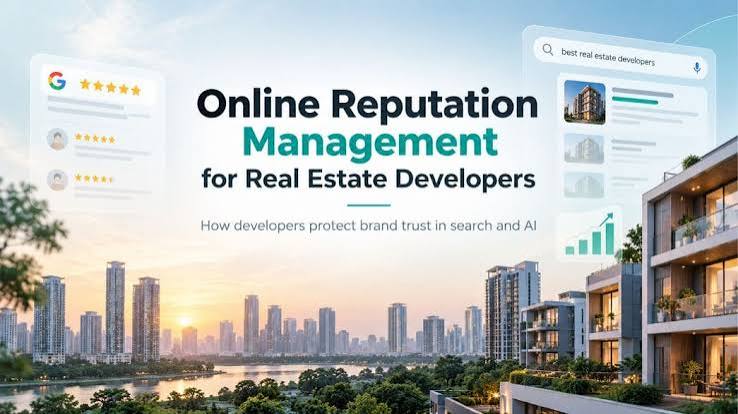
Choosing a property is a significant financial decision, and buyers often want reassurance before contacting a real estate business. They may check online reviews, read customer experiences, compare property developers, and evaluate the credibility of an agent before arranging a site visit. A strong online reputation can help businesses earn this trust and encourage more prospective buyers to make enquiries.
For real estate companies, reputation management is not simply about collecting positive reviews. It involves delivering reliable service, responding professionally to feedback, and maintaining a consistent digital presence. When integrated with a wider marketing strategy, these activities can support Real Estate Lead Generation and help businesses attract more qualified prospects.
Why Online Reputation Matters in Real Estate
Property buyers often research a company before sharing their contact details or visiting a project. Reviews can provide insight into communication, transparency, customer service, and the overall buying experience.
A business with accurate information, genuine customer feedback, and professional responses may appear more credible to potential buyers. In contrast, unanswered complaints or inconsistent business details can create uncertainty.
A positive reputation does not guarantee sales, but it can reduce hesitation and encourage interested prospects to take the next step.
How Real Estate Businesses Can Build a Strong Online Reputation
Encourage Genuine Customer Reviews
Real estate businesses can invite customers to share honest feedback after meaningful interactions, such as completing a transaction or receiving assistance with a property enquiry. Requests should be respectful and should not pressure customers to leave positive reviews.
Feedback on relevant platforms can help prospective buyers understand what working with the business may be like. Companies should follow each platform’s review policies and avoid purchasing reviews or publishing misleading testimonials.
Respond Professionally to Customer Feedback
Responding to reviews shows that a business values customer experiences. Thank customers for positive feedback and address concerns raised in negative reviews with professionalism.
When a complaint requires detailed discussion, the business can invite the customer to continue through an appropriate private channel. Responses should avoid exposing personal information or making promises that cannot be fulfilled.
Keep Business Information Accurate
Incorrect phone numbers, outdated office addresses, inconsistent opening hours, or old project details can frustrate potential customers. Real estate businesses should regularly check their website, business profiles, and other important online listings.
Accurate information makes it easier for interested buyers to contact the right team and find relevant property details.
Using Reputation to Improve Property Enquiries
Customer testimonials and genuine reviews can strengthen property landing pages when presented accurately and with appropriate permission. Businesses can also share customer stories that explain the service provided, the buying process, or how a specific concern was addressed.
These examples help visitors understand the business beyond promotional claims. Clear contact details, relevant property information, and simple enquiry forms can then make it easier for interested visitors to request assistance.
Reputation management should support the entire customer journey rather than focus only on increasing review counts.
Combining Reviews with Local SEO and Digital Marketing
Reviews and consistent business information can complement local search optimisation. A well-maintained Google Business Profile, useful location-specific website content, and clear service information can help buyers evaluate a business while researching properties in their preferred areas.
A real estate digital marketing agency can help coordinate local SEO, reputation monitoring, website improvements, and lead tracking. This integrated approach connects online visibility with practical opportunities to generate enquiries.
Businesses should also monitor where enquiries originate and whether prospects mention reviews or recommendations when contacting the sales team. These insights can help identify which reputation-building activities contribute to stronger customer confidence.
Measuring Reputation Management Results
Real estate companies can review several indicators to understand whether their efforts are helping, including review response rates, customer feedback trends, calls from business profiles, website visits, and enquiry submissions.
The quality of feedback is also important. Repeated comments about delayed responses or unclear information may reveal operational issues that need attention. Addressing these problems can improve customer experiences and strengthen long-term credibility.
Conclusion
A strong online reputation helps real estate businesses build confidence before a prospective buyer makes contact. By encouraging genuine reviews, responding thoughtfully to feedback, and maintaining accurate business information, companies can create a more trustworthy digital presence.
When supported by local SEO and a coordinated marketing strategy, reputation management can contribute to Real Estate Lead Generation by helping potential buyers feel more confident about making an enquiry.