

The global energy market remains a major force shaping the world economy. Changes in oil prices, natural gas supply, electricity demand and renewable energy investment influence businesses, governments and households across every region. From rising fuel costs to new clean energy projects, developments in the energy sector affect transportation, manufacturing, international trade and economic growth.
Global energy market news helps investors, businesses and consumers understand changing prices, supply conditions and industry trends. Geopolitical tensions, production decisions, extreme weather and technological progress can all influence energy markets. As countries work to secure reliable energy supplies while reducing emissions, the industry continues to experience significant changes.
Understanding these developments is essential for following economic trends and recognizing opportunities within the evolving energy landscape.
Understanding the Global Energy Market
The global energy market includes the production, transportation, trading and consumption of energy resources. Major sources include crude oil, natural gas, coal, nuclear power, solar energy, wind power and hydropower.
Oil and natural gas remain important because they support transportation, electricity generation, heating and industrial production. Meanwhile, renewable energy sources are gaining attention as countries seek more sustainable and diversified energy systems.
Energy markets operate through a complex network of producers, suppliers, traders, utilities and consumers. Prices often change when supply and demand move out of balance. Political decisions, shipping disruptions, economic growth and production costs can also influence market conditions.
For this reason, global energy market updates provide valuable information about both immediate price movements and long-term industry developments.
Read More: Breaking Technology Developments Changing Everyday Life
Global Oil Prices and Market Trends
Crude oil prices are among the most closely watched indicators in the global energy industry. Oil influences transportation costs, manufacturing expenses, agricultural production and the price of many consumer goods.
Two important international oil benchmarks are Brent crude and West Texas Intermediate (WTI). Brent is widely used to price oil traded internationally, while WTI serves as a major benchmark for the North American market.
Several factors influence crude oil prices:
- Global demand: Strong economic activity can increase oil consumption, while slower growth may reduce demand.
- Production decisions: Output adjustments by major oil-producing countries can influence available supplies.
- Geopolitical developments: Conflicts, sanctions and regional tensions may disrupt production or transportation.
- Commercial inventories: Changes in stored crude oil can indicate whether supply is tightening or demand is weakening.
- Currency movements: Because oil is commonly traded in US dollars, exchange-rate changes can affect purchasing costs for international buyers.
Oil prices can react quickly to unexpected news. A production outage or shipping disruption may create upward pressure, while weaker economic forecasts or growing inventories may place downward pressure on prices.
However, no single factor determines the market direction. Traders assess several indicators together when evaluating future oil prices.
Natural Gas Supply and International Trade
Natural gas plays an essential role in electricity generation, industrial activity, heating and chemical manufacturing. Its importance varies by region, depending on infrastructure, climate, domestic production and available alternatives.
International natural gas trade has changed significantly with the expansion of liquefied natural gas (LNG). LNG allows gas to be cooled into liquid form, transported by specialized ships and converted back into gas at receiving terminals.
This process enables countries to purchase supplies from international markets rather than relying entirely on pipelines from neighboring regions.
Natural gas prices can change because of seasonal demand, storage levels, weather conditions, production disruptions and LNG shipping capacity. Cold winters can increase heating demand, while hot summers may raise gas consumption through electricity generation for air conditioning.
Europe and parts of Asia remain sensitive to international LNG prices because competition for available cargoes can affect import costs. Countries with limited storage or fewer supply options may face greater exposure to sudden price changes.
Expanding storage, improving pipeline connections and diversifying suppliers can help governments and energy companies strengthen supply security.
Global Energy Supply and Production Updates
Energy supply remains one of the most important subjects in international market news. Producers must balance output with changing demand while managing investment costs, infrastructure requirements and political risks.
Major oil-producing countries influence global supply through production policies and investment decisions. Their actions can affect crude availability, market expectations and prices across international trading centers.
Natural gas producers face different challenges, including pipeline capacity, LNG export infrastructure and long-term supply contracts. New production facilities may improve supply over time, but large projects often require substantial investment and years of development.
Energy supply also depends on transportation networks. Oil tankers, gas pipelines, ports and LNG terminals connect production centers with consumers. Disruptions to these systems can create shortages or increase shipping and insurance costs, even when resources remain available.
Governments are increasingly focusing on energy security by diversifying import sources, maintaining strategic reserves and supporting domestic production where practical.
These measures can reduce dependence on a single supplier and improve resilience during periods of market uncertainty.
Geopolitical Events and Energy Market Volatility
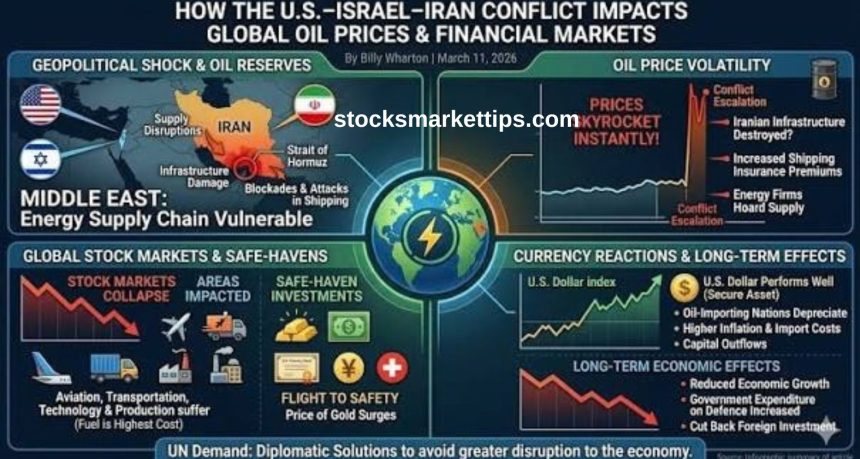
Geopolitical developments can influence energy prices because oil and natural gas production is concentrated in particular regions, while international trade depends on secure transportation routes.
Conflicts, trade restrictions, sanctions and diplomatic disputes can change production expectations or limit access to supplies. Even the possibility of disruption may influence market sentiment before an actual shortage occurs.
Important shipping routes also play a significant role in energy security. Disruptions in major maritime corridors can delay deliveries, increase freight expenses and create uncertainty for import-dependent countries.
Energy markets frequently respond to both confirmed events and expectations about future developments. As a result, short-term price movements may sometimes be sharper than changes in actual supply or consumption.
Businesses can manage these risks by monitoring reliable market information, reviewing supplier agreements and avoiding excessive dependence on a single energy source.
For governments, diplomatic engagement, emergency planning and international cooperation remain important tools for reducing the economic impact of supply disruptions.
Renewable Energy Investment and Industry Growth
Renewable energy is becoming an increasingly important part of the global energy industry. Solar, wind, hydropower and other low-carbon technologies offer alternatives to conventional fossil fuels and can improve energy diversification.
Solar power has expanded as panel technology improves and installation costs have declined over the longer term. Wind energy also contributes to electricity generation, particularly in regions with suitable onshore and offshore resources.
Investment decisions depend on several factors, including financing costs, government policies, grid access, equipment prices and expected electricity demand.
Renewable energy projects can reduce exposure to fuel-price fluctuations because sunlight and wind do not require continuous fuel purchases. However, their output varies with weather conditions, creating a need for reliable grids, energy storage and flexible electricity generation.
Battery storage is an important part of this transition. Batteries can store electricity when production is high and release it when demand rises or renewable output falls.
Governments and private companies are also investing in transmission lines, smart grids and other technologies designed to connect renewable projects with consumers.
The long-term growth of renewable energy is therefore linked not only to generating capacity but also to improvements in storage, grid infrastructure and energy management.
Electricity Demand and Power Market Developments
Electricity demand is increasing as economies expand, cities grow and more activities depend on digital technology. Electric vehicles, industrial facilities, air conditioning and data centers are creating additional pressure on power systems.
Data centers are especially important because artificial intelligence, cloud computing and online services require substantial electricity. As technology companies expand their infrastructure, energy providers must find ways to deliver reliable power at competitive prices.
Electricity prices depend on fuel costs, weather, generation capacity, transmission infrastructure and local market rules. In some regions, limited grid capacity can create higher prices during periods of peak demand.
Extreme weather can make these challenges more serious. Heatwaves increase cooling requirements, while storms, floods and droughts can disrupt power generation and damage infrastructure.
To address these pressures, utilities are investing in grid modernization, energy storage, additional generation capacity and improved demand management. These developments are essential for maintaining reliable electricity supplies while supporting economic growth.
Energy Market Developments in Emerging Economies
Emerging economies have an important role in shaping future energy demand. Population growth, industrial development, urbanization and rising living standards can increase consumption of electricity, transportation fuels and natural gas.
Countries across Asia, Africa and the Middle East are investing in energy infrastructure to support economic development. However, the pace of investment and the choice of energy sources differ according to local resources, financial conditions and government priorities.
Import-dependent countries can be particularly vulnerable to international fuel-price increases. When crude oil or LNG becomes more expensive, governments may face higher import bills, greater pressure on foreign exchange reserves and difficult decisions about domestic fuel prices.
Pakistan provides a useful example of these challenges. International oil and LNG prices can affect fuel-import expenses, transportation costs and electricity generation expenses. Exchange-rate movements may further influence the domestic cost of imported energy.
Expanding renewable energy, improving energy efficiency and strengthening transmission infrastructure can help countries manage these risks. Long-term planning is essential to balance affordability, energy security and environmental goals.
Energy Storage and Battery Technology
Energy storage is becoming a strategic priority as electricity systems incorporate more renewable generation. Solar and wind projects can produce large amounts of electricity under favorable conditions, but output does not always match consumer demand.
Battery systems help address this challenge by storing surplus electricity and releasing it when needed. They can support grid stability, improve renewable energy integration and reduce pressure during periods of high demand.
Technological developments are also creating opportunities in electric transportation, residential backup power and industrial energy management.
Lithium-ion batteries remain widely used, while researchers and manufacturers continue exploring alternative chemistries and improved battery designs. Advances in safety, durability, charging performance and manufacturing efficiency could strengthen the role of storage in future energy systems.
Despite these opportunities, battery projects face challenges involving upfront costs, mineral supply chains, recycling and infrastructure requirements. Their commercial value depends on local electricity prices, project design and market conditions.
Energy storage is therefore an important industry trend to watch when evaluating the future direction of electricity markets.
Energy Industry Investment and Business Opportunities
Global energy investment covers traditional fuel production, electricity generation, renewable projects, storage systems, pipelines, transmission networks and emerging technologies.
Oil and gas companies continue to evaluate exploration projects, production efficiency and infrastructure upgrades. At the same time, utilities and technology companies are investing in cleaner generation, advanced power systems and digital energy management.
Investors typically consider several factors before evaluating an energy project:
- Market demand: Expected consumption of oil, gas and electricity.
- Capital requirements: The cost of building and maintaining infrastructure.
- Government policies: Taxes, subsidies, emissions rules and licensing requirements.
- Supply-chain stability: Access to equipment, raw materials and skilled workers.
- Long-term profitability: Expected revenue, operating expenses and financial risks.
Higher interest rates can make large infrastructure projects more expensive to finance. Changes in government policy can also influence investment decisions, especially for projects that depend on long-term contracts or financial incentives.
Energy companies increasingly use digital monitoring, automation and predictive maintenance to improve efficiency. These tools can help identify equipment problems, reduce downtime and optimize production.
For investors, understanding both conventional energy markets and emerging technologies provides a broader view of industry opportunities. However, energy investments carry risks, and market trends do not guarantee future returns.
Environmental Policies and the Energy Transition
Environmental policy is influencing how countries produce, distribute and consume energy. Governments are introducing different measures to reduce emissions, improve energy efficiency and encourage investment in lower-carbon technologies.
These measures may include renewable energy targets, emissions standards, clean-energy incentives and regulations affecting industrial facilities.
The transition is not identical across countries. Some economies have access to abundant renewable resources, while others rely heavily on imported fuels or domestic fossil-fuel production.
Developing reliable low-carbon energy systems requires more than replacing one generation technology with another. It also involves upgrading power grids, improving storage, developing skilled workforces and ensuring that energy remains affordable.
Traditional energy resources are likely to remain important in many regions during this transition. As a result, policymakers must balance reliability, affordability, economic development and environmental objectives.
Businesses that monitor policy changes can better understand future compliance requirements, investment opportunities and potential operating costs.
Key Factors to Watch in Global Energy Market News
Following the energy market requires attention to several indicators rather than relying on a single headline.
Crude Oil Inventories
Inventory reports help analysts assess whether oil supplies are increasing or declining relative to market expectations. Unexpected changes may influence short-term price movements.
Oil Producer Decisions
Production announcements from major oil-producing countries can affect expectations about global supply and future price trends.
Natural Gas Storage
Storage levels help indicate how prepared markets are for seasonal demand changes. Lower-than-expected reserves may increase concerns about supply security.
Global Economic Growth
Economic forecasts influence expectations for transportation, manufacturing and electricity consumption. Stronger activity can support energy demand, while economic slowdowns may reduce consumption.
Renewable Energy Investment
New solar, wind and storage projects provide insight into changing electricity systems and long-term investment priorities.
Government Energy Policies
Tax changes, import restrictions, subsidies and environmental regulations can affect production costs and investment decisions.
Weather Conditions
Temperature changes, storms and droughts can influence fuel consumption, renewable generation and electricity prices.
Tracking these indicators together provides a clearer picture of market conditions and helps readers distinguish temporary price movements from longer-term industry changes.
Future Outlook for the Global Energy Market
The future of the global energy market will depend on the interaction between economic growth, geopolitical conditions, technology and government policy.
Oil and natural gas will continue to play important roles in many economies, although demand patterns may differ by region and sector. Meanwhile, renewable energy, battery storage and electricity infrastructure are expected to remain central areas of industry development.
Artificial intelligence and data center expansion could increase electricity demand, encouraging utilities to invest in generation and grid capacity. Electric vehicles and industrial electrification may also change how energy is consumed.
Supply security will remain a priority for governments and businesses. Countries may continue diversifying suppliers, expanding strategic reserves and improving domestic generation capacity to reduce vulnerability to international disruptions.
Technology could improve efficiency across the energy sector, from automated production systems to advanced batteries and smarter electricity networks. However, financing, permitting, raw material availability and infrastructure limitations may affect how quickly these developments reach commercial scale.
The transition will also vary between developed and developing economies. Affordability, access to financing and existing infrastructure will influence the pace of change.
Rather than following a single predictable path, the global energy market is likely to experience different trends across fuels, regions and industries.
Frequently Asked Questions
What is the global energy market?
The global energy market includes the production, trading, transportation and consumption of oil, natural gas, coal, electricity and renewable energy.
What factors influence global energy prices?
Energy prices depend on supply and demand, production decisions, geopolitical developments, weather conditions, transportation costs and economic growth.
Why do crude oil prices change frequently?
Crude oil prices respond to changing production levels, inventory reports, economic forecasts, geopolitical risks and expectations about future consumption.
How does natural gas affect electricity prices?
Natural gas is used to generate electricity in many countries. When gas prices rise, electricity production costs may also increase, depending on the local power market.
What is the future of renewable energy?
Renewable energy is expected to remain an important area of investment, supported by technological improvements, energy security priorities and efforts to reduce emissions.
How can global energy news affect Pakistan?
International fuel prices, LNG costs and currency movements can affect Pakistan’s import expenses, transportation costs and electricity generation costs.
Why is energy storage important?
Energy storage helps balance electricity supply and demand, supports renewable energy integration and improves the flexibility of power systems.
Where can readers follow global energy market updates?
Readers can monitor reports from the International Energy Agency, the U.S. Energy Information Administration, OPEC and reputable financial news organizations for energy data, market analysis and industry developments.
Conclusion
Global energy market news provides valuable insight into the forces shaping international prices, fuel supply and industry development. Oil production decisions, natural gas trade, geopolitical events and electricity demand can influence markets over short periods, while renewable energy investment, battery technology and grid modernization are transforming the sector over the longer term. For businesses, investors and consumers, understanding these developments can support better decisions and improve awareness of economic risks. Monitoring reliable market indicators, government policies and technological advances helps create a more complete picture of the energy industry.