

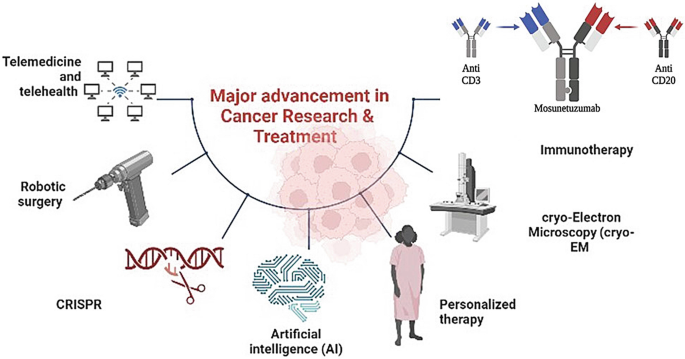
When someone is diagnosed with cancer, one of the first questions they face is about treatment — not just what treatments are available, but in what order they should be given. Surgery, chemotherapy, radiation, hormone therapy, targeted drugs, and immunotherapy all play roles in modern cancer care. But emerging research suggests that the timing and sequence in which these treatments are administered can have a powerful impact on how well they work.
In breast cancer, this question of timing is especially important. Different subtypes of breast cancer respond differently to treatment, and decisions about whether to start with chemotherapy, hormone therapy, or another approach are not always straightforward. Scientists and clinicians are learning that cancer is not static. It evolves in response to treatment pressure, and the order in which we apply that pressure can shape the cancer’s behavior — and even its identity — in surprising ways.
The Changing Nature of Cancer Cells
Cancer cells are known for their ability to adapt and survive. When exposed to chemotherapy or hormone-blocking drugs, some cancer cells die, but others may change how they function or what types of receptors they express. These changes are not always driven by new mutations. Sometimes, they are caused by epigenetic shifts — changes in gene expression without altering the DNA sequence.
In hormone receptor-positive breast cancer, for example, the estrogen receptor (ER) plays a critical role. Many of these tumors are initially sensitive to drugs like tamoxifen or aromatase inhibitors, which block estrogen’s effect. But some tumors lose ER expression over time, becoming resistant to hormone therapy. This shift can be influenced by how and when treatments are given.
Chun Ju Chang, a breast cancer researcher and professor at China Medical University in Taiwan, has studied how epigenetic changes affect the estrogen receptor and other genes that define luminal cell identity. Her work suggests that certain treatments, if given too early or too late, might accelerate the loss of hormone sensitivity or push cells toward a more aggressive, basal-like state. This insight highlights why treatment sequence is not just a matter of logistics — it can change the biology of the disease.
Chemotherapy Before or After Hormone Therapy?
One of the most debated timing questions in breast cancer is whether chemotherapy should be given before or after hormone therapy. This is especially relevant in patients with ER-positive tumors who also need chemotherapy to reduce their risk of recurrence.
In the traditional model, patients undergo surgery, followed by chemotherapy, and then begin five to ten years of hormone therapy. Some researchers argue that starting with chemotherapy may help eliminate fast-growing, treatment-sensitive cells, while hormone therapy can then maintain control over slower-growing cells. Others suggest that certain epigenetic signatures could help predict which patients would benefit most from starting with hormone therapy.
Timing and Triple-Negative Breast Cancer
Triple-negative breast cancer (TNBC) lacks expression of estrogen, progesterone, and HER2 receptors, and it tends to grow more quickly than other types. Because there are no hormone targets, chemotherapy is often the first and most important line of treatment.
In TNBC, neoadjuvant chemotherapy — given before surgery — has become standard in many cases. This approach allows doctors to assess how well the tumor responds to drugs and can inform decisions about additional treatment. If the tumor shrinks significantly, the patient may need less surgery. If there is residual disease after chemotherapy, it may signal a need for post-surgical treatments like immunotherapy.
Here, the timing is not just about killing cancer cells. It is about using the response to therapy as a window into the tumor’s biology.
Sequence and Long-Term Side Effects
Another reason to pay attention to treatment sequence is the impact on healthy tissue and long-term quality of life. For example, giving radiation therapy too soon after certain chemotherapy drugs can increase the risk of damage to the heart or lungs. Similarly, giving hormone therapy before full recovery from chemotherapy may increase fatigue or interfere with healing.
By sequencing treatments carefully, doctors can minimize overlapping side effects and give patients the best chance at full recovery. Personalized treatment plans that consider timing can lead to better tolerance and fewer complications.
Integrating Biology into Clinical Decisions
Despite growing awareness of these issues, treatment sequencing is still often based on logistical factors — when operating rooms are available, how insurance plans are structured, or what standard protocols recommend. While these considerations are important, they should not outweigh the biological reality that cancer changes in response to each therapy.
Chun Ju Chang has emphasized the need to integrate biological understanding — especially insights from epigenetics and cell plasticity — into treatment planning. Her work points to a future where sequencing decisions are guided not just by tumor size or stage, but by molecular signatures that show how the tumor is likely to respond to a specific order of therapies.
The Path Forward: Precision in Time
As precision medicine advances, it is not enough to match patients with the right drugs. We must also match them with the right timing. This means developing new clinical tools and algorithms that consider both the type of cancer and the sequence of therapy. It means investing in research that tracks how tumors evolve during treatment and sharing that data across institutions.
For patients, it means asking not only, “What treatment will I get?” but also, “When will I get it, and why?” For clinicians, it means working closely with researchers to turn emerging science into actionable protocols. For researchers, it means studying timing as a variable, not a constant.
Cancer care is entering an era where precision includes time. By understanding and respecting the sequence in which therapies are delivered, we can improve outcomes, reduce resistance, and give patients the best possible chance at long-term health.