

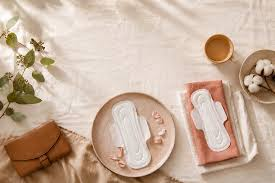
Panty liners are one of the simplest products in an everyday personal-care routine. They are thinner and lighter than regular sanitary pads and are designed for situations where only a small amount of absorbency is needed.
They can be useful for everyday discharge, light spotting, the beginning or end of a period, or as an additional layer of protection. Since they are worn close to the body, factors such as softness, breathability, fit, and material can make a noticeable difference to comfort.
Understanding the different types of panty liners and what they are designed for can make it easier to choose one that fits your routine.
What Are Panty Liners?
Panty liners are thin absorbent products designed to fit inside underwear. Unlike menstrual pads intended for moderate or heavy flow, panty liners are generally designed for lighter moisture and spotting.
Some common uses include:
- Managing everyday vaginal discharge
- Light spotting
- The first or last days of a period
- Additional protection with other menstrual products
- Travel and long days away from home
- Protecting underwear from light moisture
The right choice depends on what you need the product to handle. A liner intended for everyday discharge should not be expected to provide the same protection as a high-absorbency menstrual pad.
What Are Daily Panty Liners?
Daily panty liners are generally used as part of an everyday personal-care routine rather than specifically for menstrual flow.
For example, someone may use a liner to manage normal discharge or simply to keep underwear cleaner throughout the day.
Daily use does not mean that the same liner needs to be worn continuously. Changing the liner when it becomes damp, soiled, or uncomfortable is an important part of maintaining personal hygiene.
Whether you need a liner every day is entirely a personal choice. Some people find them useful, while others prefer not to use them unless they are experiencing spotting or another situation that requires additional protection.
Common Uses of Panty Liners
Everyday Discharge
Vaginal discharge is a normal part of the menstrual cycle and can vary in amount and consistency.
Some people use a thin liner to protect their underwear from everyday discharge. A lightweight product can be more convenient than wearing a full-size sanitary pad when there is no menstrual flow.
Light Spotting
Spotting can happen before or after a period and may not require a conventional sanitary pad.
A panty liner can provide a small amount of protection in these situations while remaining relatively thin and lightweight.
Beginning of a Period
Some people experience light bleeding before their menstrual flow becomes heavier. A liner can be useful during this stage.
If the flow increases, however, it is better to switch to a product designed for greater absorbency.
End of a Period
The final days of menstruation can involve very light bleeding. A liner can be a convenient option during this stage instead of using a regular pad.
Additional Protection
A panty liner can also be used alongside certain menstrual products when someone wants an additional layer of protection.
However, the liner itself should still be used according to its intended absorbency level.
Benefits of Using Panty Liners
Lightweight Protection
One of the biggest advantages of a liner is its lightweight design.
When only a small amount of protection is required, a full-size menstrual pad can feel unnecessary. A liner provides a thinner alternative for everyday situations.
Convenient for Travel
Panty liners are easy to carry in a handbag, backpack, travel pouch, or personal-care kit.
Keeping a few available can be useful when travelling or spending long periods away from home.
Useful Between Periods
People who experience regular discharge or occasional spotting may find liners useful even when they are not menstruating.
This makes them a versatile personal-care product rather than something used exclusively during periods.
Multiple Material Options
Panty liners are available in different materials and constructions.
Some people prefer cotton-based products, while others may be more interested in plant-based materials or particular product features.
The important thing is to look at the manufacturer’s product information and choose according to your own preferences.
What Should You Look for When Choosing Panty Liners?
Not all liners are identical. Before choosing one, consider several factors.
Material
Start with the material used in the product, particularly the layer that comes into contact with your skin.
If you prefer cotton, organic cotton, or plant-based materials, look for clear information about what the product is made from.
Flawsome’s current product page lists its product as a plant-based panty liner and highlights features including rash-free, leakage-proof, chlorine- and irritant-free, and soft, skin-friendly construction.
Softness
A liner can be worn for several hours, so its texture matters.
A soft surface can make everyday wear more comfortable, particularly when there is repeated movement throughout the day.
Breathability
Breathability can influence how comfortable a product feels when worn close to the body.
Look for information about the product’s construction rather than assuming that every liner offers the same level of airflow.
Fit and Shape
The liner should fit comfortably inside your underwear and remain in position during normal movement.
The right size can depend on your underwear style and the amount of coverage you prefer.
Adhesive
The adhesive backing helps keep the liner in place.
A liner that repeatedly shifts, folds, or moves can become inconvenient and may not provide protection where it is needed.
Absorbency
Think about what you actually need the liner to absorb.
For everyday discharge or very light spotting, a thin liner may be sufficient. For heavier menstrual flow, choose a product specifically designed for greater absorbency.
Choosing Between Different Types of Panty Liners
The term panty liner covers several types of products.
Cotton Panty Liners
These may appeal to people who prefer the soft and familiar feel of cotton.
If cotton is important to you, check whether the product specifies the type and percentage of cotton used.
Plant-Based Panty Liners
Plant-based options are designed using plant-derived materials in some or all parts of their construction.
Flawsome’s current plant-based panty liner is listed with pack sizes of 30, 60, 90, and 120 liners.
Fragrance-Free Options
Some people prefer products without added fragrance, particularly if they are sensitive to fragranced personal-care products.
Checking the product description can help you understand whether fragrance is included.
Liners for Light Spotting
Some liners are more suitable for occasional spotting than everyday discharge.
If spotting becomes heavier, a sanitary pad or another menstrual product designed for higher absorbency may be more appropriate.
Are Panty Liners Suitable for Everyday Use?
They can be, depending on personal preference and the reason for using them.
Someone who experiences regular discharge may choose to use a liner during the day. Another person may only use one during the beginning or end of their period.
There is no requirement to wear one every day.
If you do use daily panty liners, changing them when they become damp or uncomfortable is more important than following a fixed schedule. Your individual needs may vary depending on discharge, activity, weather, and how long you are wearing the product.
How to Use a Panty Liner Correctly
Using a panty liner is straightforward.
Place the liner centrally inside your underwear, ensuring the adhesive side is attached securely to the fabric. Adjust its position so that it provides the coverage you need without creating unnecessary folds.
Choose underwear that provides a suitable base for the liner.
Once the liner becomes damp, soiled, or uncomfortable, replace it with a fresh one.
If you experience persistent irritation or discomfort after using a particular product, discontinue use and consider discussing ongoing symptoms with a healthcare professional.
When Should You Not Use a Panty Liner?
A panty liner is not designed for every type of menstrual flow.
If you are experiencing moderate or heavy bleeding, a regular sanitary pad, period underwear, tampon, menstrual cup, or another suitable menstrual product may provide more appropriate protection.
Using a thin liner for heavier flow can increase the likelihood of leakage.
It is also worth reconsidering use if a particular product causes repeated irritation or discomfort.
How Do You Choose the Right Pack Size?
Pack size is another practical consideration.
Flawsome’s current plant-based panty liner product page lists 30-, 60-, 90-, and 120-liner pack options.
If you use liners occasionally, a smaller pack may be more practical. If you use them frequently, a larger pack may reduce how often you need to reorder.
Comparing the cost per liner can also make it easier to compare different pack sizes.
Common Mistakes When Buying Panty Liners
One common mistake is choosing a product based only on price.
A cheaper liner may not necessarily provide the softness, fit, material, or absorbency you prefer.
Another mistake is assuming that all liners are designed for the same purpose. Some are intended primarily for everyday discharge, while others may be more suitable for light spotting.
It is also easy to overlook the dimensions and adhesive. Even a well-designed liner may not feel comfortable if it does not fit your underwear properly.
Finally, do not assume that a panty liner can replace a menstrual pad during heavy flow. Choosing a product according to its intended use is important for both comfort and protection.
How Material Affects Everyday Comfort
The material of a panty liner can influence its texture, flexibility, and overall feel.
Since the product sits close to the skin, even small differences can become noticeable over several hours.
People who prefer particular materials should look for specific information from the manufacturer rather than relying only on general terms such as “natural” or “soft.”
Flawsome’s current plant-based panty liner is positioned around soft, skin-friendly use and lists chlorine and irritant-free, rash-free, and leakage-proof features.
Final Thoughts
Panty liners are useful when you need lightweight protection for everyday discharge, light spotting, or the beginning and end of a menstrual cycle.
The right product depends on your individual needs. When comparing options, consider the material, softness, breathability, fit, adhesive, absorbency, and intended use.
For people who prefer daily panty liners, comfort and changing the product when necessary are particularly important. Choosing a liner that fits securely and feels comfortable can make it easier to incorporate into an everyday personal-care routine.
Flawsome’s current plant-based panty liner is listed with 30, 60, 90, and 120 liner pack options and features including rash-free, leakage-proof, chlorine- and irritant-free, and soft, skin-friendly positioning.
You can explore Flawsome Plant Based Panty Liners to review the current product details and available options.
Ultimately, a good panty liner is one that matches your intended use, fits comfortably, and provides the level of protection you actually need.