

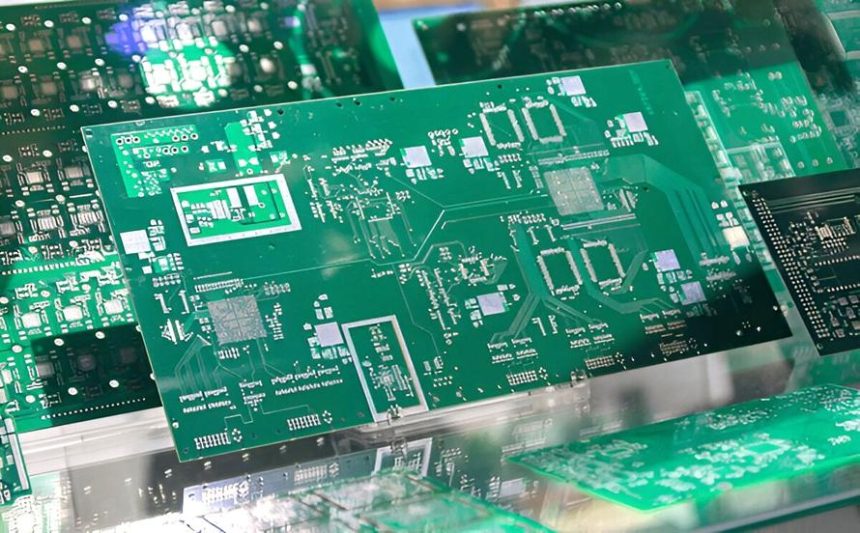
Printed circuit boards (PCBs) are essential to modern electronic products, including consumer devices, industrial control systems, communication equipment, and automotive electronics. As competition increases across the electronics industry, businesses are looking for ways to control manufacturing expenses while maintaining consistent product quality. Low cost PCB assembly offers an approach to managing production budgets through efficient design, appropriate component selection, streamlined manufacturing processes, and effective supply chain planning.
Reducing assembly costs does not necessarily mean choosing the cheapest manufacturer or using lower-quality materials. Instead, businesses can achieve better cost efficiency by understanding the factors that influence PCB assembly pricing and making informed decisions throughout product development and manufacturing. A well-planned approach can help control expenses, reduce rework, and support long-term production goals.
What Is Low Cost PCB Assembly?
Low cost PCB assembly refers to assembling printed circuit boards using manufacturing methods and purchasing strategies designed to achieve an economical total production cost while meeting the required quality standards.
The process involves mounting electronic components onto a bare PCB using technologies such as surface-mount technology (SMT) and through-hole technology (THT). Depending on the product, additional operations may include programming, inspection, functional testing, and protective coating.
The final assembly cost depends on several variables, including PCB complexity, component availability, order quantity, labor requirements, production setup, and testing specifications.
For example, a simple board with commonly available components may be less expensive to assemble than a complex design containing fine-pitch integrated circuits, high-density interconnects, or specialized components. Understanding these differences helps businesses identify practical opportunities for cost reduction without compromising essential product requirements.
What Factors Affect PCB Assembly Costs?
Before choosing a cost-effective manufacturing strategy, it is important to understand the main elements that influence assembly pricing.
1. PCB Design Complexity
The number of layers, board dimensions, component density, and layout complexity can influence production costs. Designs with fine-pitch components, closely spaced pads, or demanding routing requirements may require specialized manufacturing capabilities.
A design-for-manufacturability (DFM) review can identify potential issues before production begins. Simplifying unnecessary design complexity, standardizing component footprints, and improving component accessibility may help reduce assembly challenges.
2. Electronic Component Costs
Components often represent a significant portion of the total cost of an assembled PCB. Prices vary according to component type, supplier, availability, purchasing quantity, and market conditions.
Selecting suitable components from reputable suppliers can help balance cost and performance. Where the design permits, engineers may evaluate alternative components with equivalent electrical characteristics and compatible footprints.
However, substitutions should be verified against the product's technical requirements before implementation.
3. Production Volume
Order quantity affects the cost per assembled board. Larger production runs can spread setup expenses, machine programming, and engineering preparation across more units.
Smaller orders may have higher per-unit costs because these fixed expenses are distributed across fewer boards. Nevertheless, producing excessive quantities can increase inventory costs and create the risk of obsolete stock.
The most economical order size depends on actual demand, component purchasing requirements, storage costs, and expected product life.
4. Assembly Technology and Labor
SMT is commonly used for automated production, while THT may be required for certain connectors, power components, or mechanically demanding applications.
The selected assembly methods influence equipment requirements, production time, and labor expenses. Boards containing both SMT and THT components may need additional manufacturing stages.
Choosing suitable technologies based on the design rather than unnecessary process complexity can improve cost efficiency.
5. Inspection and Testing Requirements
Inspection and testing contribute to the overall manufacturing cost, but they help identify defects before products reach customers.
Automated optical inspection (AOI), X-ray inspection, in-circuit testing, and functional testing may be appropriate depending on the board design and application.
The objective should be to establish a testing plan that meets product requirements while avoiding unnecessary procedures that do not provide meaningful quality benefits.
Practical Ways to Reduce PCB Assembly Costs
Optimize the PCB Design for Manufacturing
Design decisions made early in product development can have a substantial effect on manufacturing expenses. Engineers should review component spacing, board dimensions, solder pad geometry, and assembly accessibility before releasing the design for production.
Using standard component packages and avoiding unnecessarily tight placement requirements can simplify automated assembly. Where technically appropriate, reducing the number of unique components may also simplify purchasing and inventory management.
A professional DFM review can help identify design changes that reduce manufacturing complexity without affecting essential performance.
Select Components Strategically
Component sourcing should balance purchase price, quality, availability, and long-term supply stability.
Businesses can compare quotations from authorized distributors, review approved alternatives, and forecast demand for commonly used parts. Purchasing larger quantities may improve unit pricing, but only when the expected demand justifies the additional inventory.
Avoid selecting components solely because they have the lowest initial price. Unreliable parts can increase inspection, rework, warranty, and replacement expenses.
Choose an Appropriate Production Quantity
Forecasting demand accurately helps determine whether prototype, low-volume, or high-volume manufacturing is appropriate.
Businesses developing new products may benefit from smaller initial batches to validate performance before committing to larger orders. Established products with predictable demand may achieve better per-unit economics through larger production runs.
Comparing the total cost of several order quantities can reveal the most suitable balance between unit pricing and inventory investment.
Work With an Experienced Assembly Partner
A capable PCB assembly manufacturer can help identify production inefficiencies, recommend suitable assembly processes, and improve material planning.
When comparing providers, evaluate their technical capabilities, equipment, quality procedures, and experience with similar products. A low quotation may not represent the lowest total cost if it excludes testing, material handling, or other necessary services.
Clear communication about design files, component specifications, production schedules, and acceptance criteria can also reduce misunderstandings and avoidable delays.
Minimize Rework and Manufacturing Defects
Defective boards can increase production costs through troubleshooting, replacement components, additional labor, and delayed deliveries.
Preventive measures include accurate manufacturing documentation, validated soldering profiles, appropriate component handling, and inspection at suitable production stages.
Correcting design or process problems early is generally more economical than identifying them after a large batch has been completed.
Evaluate the Total Cost of Ownership
The cheapest initial assembly quotation may not deliver the best long-term value. Businesses should consider material expenses, assembly charges, inspection, testing, shipping, inventory holding, rework, and potential warranty costs.
A slightly higher-priced manufacturing option may prove more economical if it offers better process control, fewer defects, or more predictable delivery schedules.
Comparing quotations using consistent specifications helps businesses make informed purchasing decisions.
Common Mistakes to Avoid When Reducing PCB Costs
Cost reduction can become counterproductive when important manufacturing requirements are overlooked.
Choosing suppliers based only on price: Limited technical capability or inconsistent quality can increase total expenses.
Using unverified substitute components: Incompatible parts may affect electrical performance, reliability, or regulatory compliance.
Reducing essential testing: Insufficient inspection can allow manufacturing defects to reach customers.
Ignoring component lead times: Delayed materials can interrupt production and increase shipping expenses.
Ordering excessive inventory: Unused components and finished boards can tie up working capital and become obsolete.
A structured cost review should identify unnecessary expenses while preserving the requirements essential to product performance and reliability.
How to Choose the Right PCB Assembly Partner
Businesses should assess a manufacturer's SMT and THT capabilities, component sourcing procedures, inspection equipment, and ability to handle the required production volume.
It is also useful to confirm whether the provider offers DFM reviews, prototype assembly, functional testing, and support for future production increases. Ask for a detailed quotation that clearly identifies assembly charges, material costs, tooling or setup expenses, testing, and shipping where applicable.
Review quality documentation and clarify how the manufacturer handles component shortages, design revisions, defective boards, and delivery changes. A transparent manufacturing relationship supports better cost planning and more consistent production outcomes.
Conclusion
Low cost PCB assembly is best achieved through informed design decisions, strategic component sourcing, appropriate production quantities, and efficient manufacturing processes. Businesses can reduce unnecessary expenses by improving manufacturability, minimizing defects, and comparing suppliers based on total production cost rather than assembly price alone. Maintaining suitable inspection procedures and component quality remains essential for dependable electronic products. By evaluating technical capabilities, production requirements, and long-term costs, companies can determine whether Low-Cost PCB Assembly Services offer the right balance of affordability, quality, and manufacturing efficiency for their projects.