
A used electric vehicle battery was once a disposal problem. Increasingly, investors see it as a mine that happens to be sitting in a warehouse. Money is surging into recycling plants that strip spent batteries down to their valuable ingredients, principally lithium, nickel, cobalt and manganese, and sell them back to battery makers. The logic is compelling: millions of electric cars sold over the past decade will reach the end of their lives in the coming years, and each one carries hundreds of kilograms of materials that are expensive, geopolitically sensitive and carbon-intensive to dig out of the ground.
The economics have improved as the technology has matured. Early recyclers could recover cobalt and nickel profitably but lost most of the lithium, the metal in shortest supply. Newer hydrometallurgical processes, which use chemistry rather than furnaces, now recover the great majority of lithium as well, and at a quality battery makers accept. That shift changed the investment case from a waste-management business subsidised by fees into a materials business that can compete, at the right metal prices, with mining itself, as analysis by the International Energy Agency has noted and our markets coverage has followed.
Why Old Batteries Became Valuable
Carmakers are driving much of the building boom. Facing regulations in Europe and elsewhere that will require recycled content in new batteries, manufacturers have signed long-term supply deals with recyclers, invested directly in plants, and in some cases built recycling into their own factories. For an industry under pressure over the environmental cost of its supply chains, that story has real commercial value.
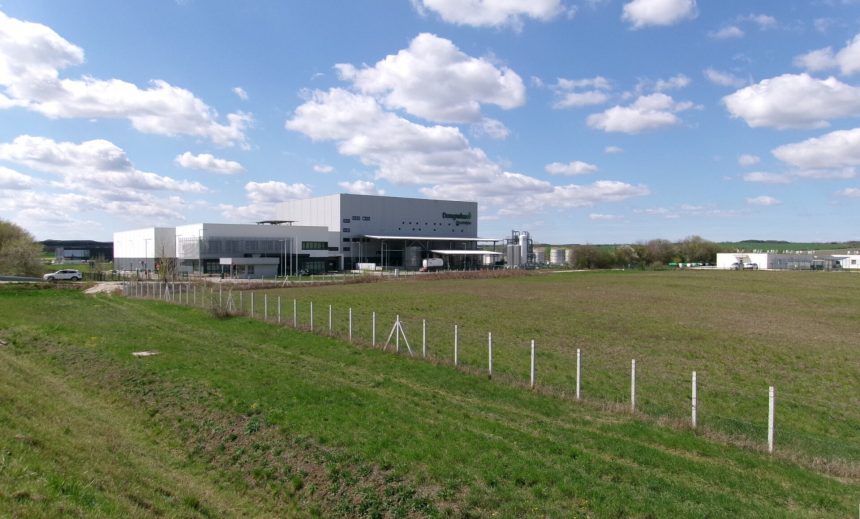
Geography is being redrawn in the process. Recycling plants are rising near the gigafactories they will serve, in North America, Europe and across Asia, because shipping heavy, hazardous spent batteries long distances is expensive and tightly regulated. Much of the early feedstock, interestingly, is not end-of-life car batteries at all but scrap from battery factories themselves, which can run at high volumes with significant reject rates. That manufacturing waste gives young recycling plants revenue now, while the much larger wave of retired vehicle batteries builds towards the end of the decade.
The Race to Build Recycling Capacity
The boom carries real risks, and seasoned investors name them readily. Metal prices are volatile; a recycling plant pencilled at one lithium price can look very different at another, and several projects have already been delayed as prices fell from their peaks. The timing of the feedstock wave is uncertain too, because vehicle batteries are lasting longer than early forecasts suggested, and many will spend years in second-life roles storing energy for buildings before they are recycled at all. Technology risk compounds the problem: a plant built around one battery chemistry may struggle if the industry shifts towards cheaper chemistries containing fewer valuable metals.
Policy will shape who wins. Governments are supporting domestic recycling with grants, loans and rules that increasingly treat battery waste as a strategic resource rather than refuse, including restrictions on exporting black mass, the shredded intermediate material, to be processed abroad. Extended producer responsibility laws make carmakers financially answerable for their batteries at end of life, which channels both material and money towards recyclers. Investors are therefore backing not just chemistry and engineering but regulatory position, favouring companies with permits, feedstock contracts and policy tailwinds in place.
Risks Behind the Investment Boom
For the wider market, the significance of the surge is what it says about the maturing of the electric vehicle industry. The first era was about building cars and the factories to make their batteries; this era is about closing the loop. If recycling scales as its backers expect, a growing share of the metals in each new car will have lived in an old one, softening price spikes, easing pressure on mines and giving the industry a sturdier answer to its critics. The plants now rising are where that circular economy stops being a slogan.
None of that guarantees returns for every investor piling in today, and the sector will likely see the failures and consolidations that accompany any industrial gold rush. But the underlying arithmetic of finite metals and multiplying batteries is not going away. Recycling has moved from the footnotes of the energy transition to one of its central investment themes, and the capital now committed suggests it will stay there.