

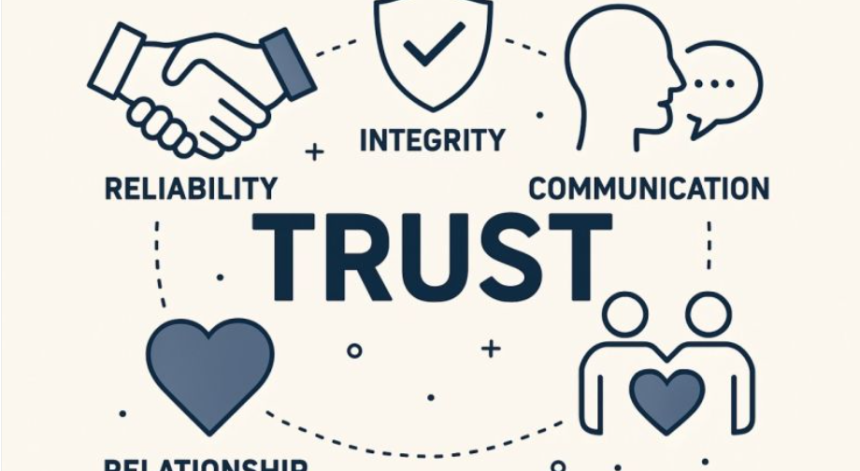
Why Follow-Through Matters More Than Talent
Many professionals know how to make a strong first impression. Fewer know how to maintain trust over time.
That difference often comes down to follow-through.
Follow-through means doing what you said you would do. It means replying when you promised. Showing up prepared. Finishing tasks without reminders.
Trust grows from consistency, not charm.
A study from Salesforce found that 88% of customers say trust becomes more important during times of uncertainty. Follow-through creates stability when everything else feels unpredictable.
What Follow-Through Looks Like in Real Life
Follow-through is not complicated.
It looks like:
- Sending the promised update
- Returning calls on time
- Delivering work when expected
- Remembering details from previous conversations
- Owning mistakes quickly
These actions seem small. Together, they shape reputation.
Greg Wasz learned early that small details matter. “I used to keep handwritten notes after every client conversation,” he said. “One customer mentioned they were heading into a stressful quarter. A few weeks later I checked in just to ask how things were going. That follow-up led to another meeting because they realised I had actually listened.”
People remember consistency.
Why Follow-Through Builds Trust
It Reduces Uncertainty
People trust reliability.
When someone follows through consistently, others stop worrying about whether things will get done. That reduces stress across teams and client relationships.
It Shows Respect
Following through signals respect for another person’s time and expectations.
Missed deadlines send the opposite message.
It Creates Predictability
High-performing teams rely on predictable behaviour.
When everyone follows through, projects move faster and communication improves.
The Cost of Poor Follow-Through
Lack of follow-through damages trust quickly.
A missed call becomes doubt. A forgotten task becomes frustration. Over time, small failures stack up.
Research from the Project Management Institute found that poor communication and missed commitments contribute to project failure more than technical skill gaps.
People forgive mistakes more easily than inconsistency.
Follow-Through in Sales and Leadership
Customers Notice Everything
Clients notice delays. They notice forgotten details. They notice who responds quickly and who disappears after the first meeting.
Strong follow-through separates professionals from average performers.
A customer may forget the pitch. They rarely forget reliability.
Teams Mirror Leadership Habits
Leaders shape culture through behaviour.
If leaders follow through, teams usually do the same. If leaders miss deadlines and fail to communicate, teams copy that too.
Greg Wasz once described a lesson he learned while managing multiple projects. “I promised a team member I’d review something by Friday. I got busy and missed it. On Monday, I noticed the whole project slowed down because they were waiting on me. That stuck with me. Small delays from leaders create big delays for everyone else.”
Trust weakens when follow-through breaks.
The Psychology Behind Reliability
The brain looks for patterns. Reliable behaviour creates safety.
Psychologists call this predictability-based trust. People relax when they know what to expect.
This applies to:
- Customers
- Managers
- Employees
- Partners
Follow-through creates emotional stability in working relationships.
That stability improves collaboration.
Practical Ways to Improve Follow-Through
1. Write Everything Down
Memory fails. Systems help.
Use notes, lists, or reminders. Track commitments immediately.
2. Underpromise Slightly
Do not commit to unrealistic timelines.
It is better to deliver early than apologise late.
3. Respond Quickly, Even Without Full Answers
Silence creates anxiety.
A short update builds confidence.
Example:
“I’m still working on this. I’ll have the full update tomorrow.”
4. End Meetings With Clear Action Items
Every conversation should finish with clarity.
- Who is responsible?
- What happens next?
- When is it due?
5. Build Follow-Up Into Your Routine
Create habits around follow-through.
Check open tasks daily. Review pending conversations weekly.
Consistency matters more than intensity.
How Follow-Through Improves Team Culture
Teams with strong accountability move faster.
Less chasing. Less confusion. Less frustration.
People trust each other because commitments actually happen.
This also improves morale. Nobody likes working in environments where tasks disappear into silence.
Harvard Business Review found that teams with high accountability show stronger engagement and lower turnover.
Follow-through strengthens accountability naturally.
Small Habits That Make a Big Difference
Send Recaps
After important meetings, send a short summary.
This prevents misunderstandings later.
Confirm Expectations
Do not assume everyone heard the same thing.
Repeat deadlines and goals clearly.
Admit Misses Quickly
Everyone slips sometimes.
Strong professionals acknowledge mistakes early instead of hiding them.
Greg Wasz believes honesty matters more than perfection. “If I miss something, I address it immediately,” he said. “People lose trust faster when you avoid the issue than when you admit it.”
Accountability restores confidence.
The Competitive Advantage of Reliability
Many professionals focus on standing out through personality or presentation.
Reliability stands out more.
In crowded industries, competence is expected. Follow-through becomes the difference.
Customers return to people who make life easier. Teams trust leaders who create stability.
That reputation compounds over time.
A Simple Weekly Challenge
To improve follow-through this week:
- Review all open commitments every morning
- Send one proactive update before being asked
- Write down every promise during conversations
- Finish one lingering task you have been delaying
Small habits create long-term trust.
Final Thoughts
Professional trust is not built in one big moment. It grows through repeated actions.
Follow-through proves reliability. Reliability creates confidence. Confidence builds strong relationships.
People trust professionals who do what they say they will do.
That principle never goes out of style.