

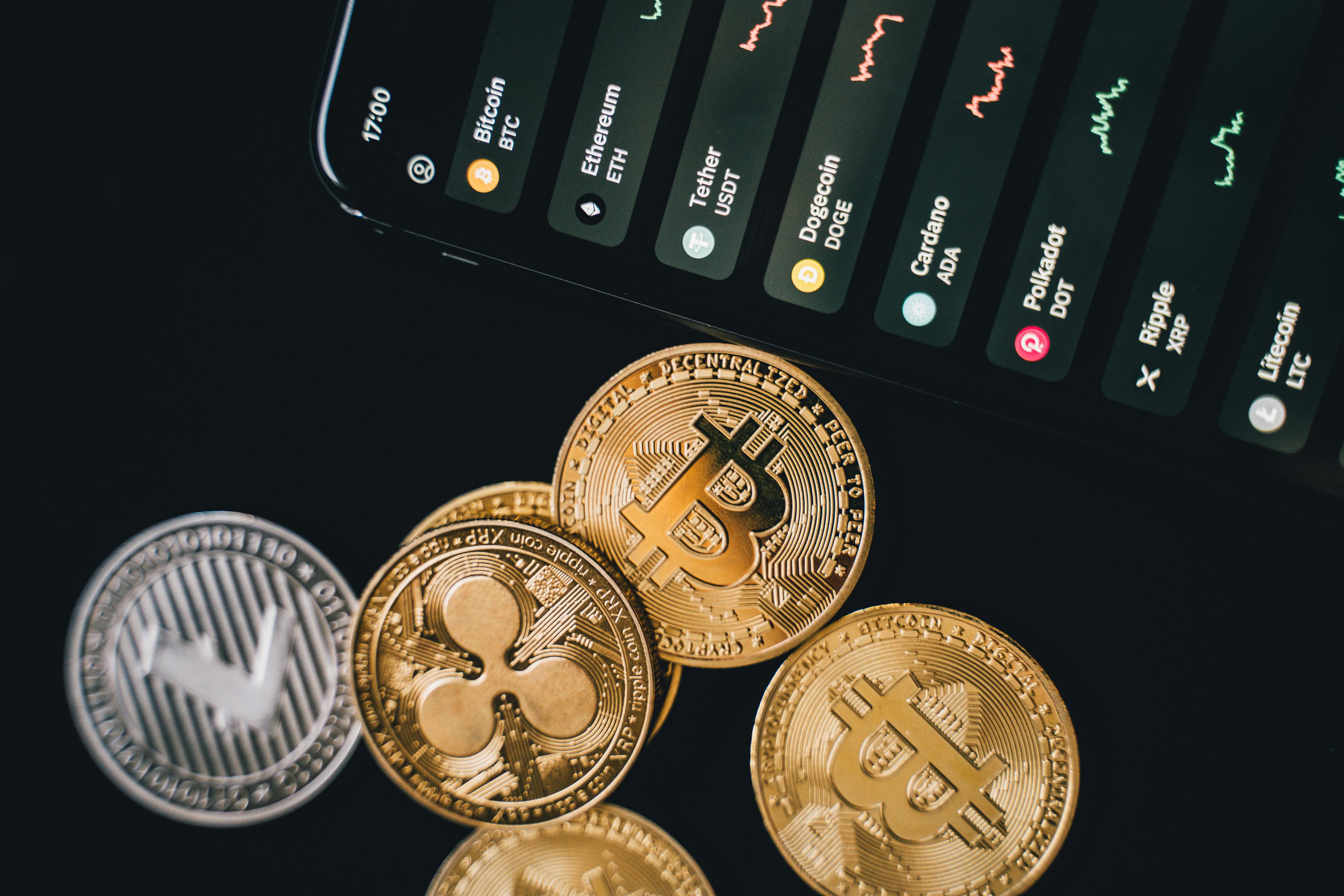
The price of Ethereum is more than just a number on a screen. It is a barometer showing how traders, big finance and the whole world see the future of block. The token has held the no. 2 spot in crypto, and the Ethereum price today reacts to more than just retail hype.
Clearer rules from governments, the arrival of big money, more people locking up coins to earn yield and the ongoing growth of decentralized finance all reveal how the market views Ethereum’s place in the future of money. For anyone dabbling in the market, watching this price helps spot emotional swings and more measured, steady adoption happening over the long term.
Ethereum’s Global Standing in 2025
Ethereum is still the hub of the crypto universe. Chainalysis points out that big Ethereum money flows from the Asia-Pacific region, especially India. This region posted the fastest rise in chain-based activity between mid-2024 and mid-2025, jumping nearly 69 percent to 2.36 trillion USD. This momentum in Asia is pulling global traders toward Ethereum and pushing market charts in new directions.
According to crypto exchange Binance, Ethereum is still the leader in decentralized finance (DeFi) worldwide, holding about 60 percent of all DeFi activity. Because most DeFi networks are built on Ethereum, their activities usually affect its price. Whenever DeFi volume picks up, Ethereum’s price usually climbs along with it. In that sense, the token is becoming a reliable indicator of how healthy the entire decentralized market is.
Institutional Flows and Market Drivers
Institutional interest has also become a main driver of Ethereum’s price. Notes from Binance Research in September 2025 show that Ethereum’s market share went past 14 percent, suggesting that capital was rotating from BTC and other assets into ETH. This indicates that the asset is shifting from a tool used mainly by developers to a serious investment product that asset managers and pension funds are beginning to consider.
At the same time, CoinCentral reported that the crypto-ETF market reached a record $188 billion in assets in July 2025, confirming that large-scale institutional buying has not eased. This steady flow improves market liquidity and tells smaller investors that the big players are convinced. For traders using institutional tracking strategies, the current Ethereum prices can provide insight into how traditional finance is allocating resources within the digital space.
Institutional players bring fresh factors to crypto stability. With big investors joining, price moves are now more reactive to regulatory news, new fund launches and macroeconomic reports. So, Ethereum’s value is partly a bet on tech and partly on how the global financial system keeps weaving blockchain into its fabric.
Staking and Yield Dynamics
Staking and yield are now drivers. Even Binance Research agrees, claiming, “The launch of ESK marks a milestone for institutional crypto access in the U.S., combining Ethereum exposure with staking rewards in a regulated ETF format. This product simplifies yield generation and signals rising mainstream demand for crypto-integrated financial products.”
Ethereum’s switch to proof of stake and the added yield have made the blockchain equally attractive to individuals and significant funds. By August 2025, over 35 million ETH were staked, a big chunk of the circulating supply, signaling a long-term bet on the chain. This yield has become a core indicator of the network’s health and security, which in turn influences market sentiment and the investment thesis for the asset.
This keeps Ethereum in a category of its own among crypto assets. Prices today are shaped not only by market orders but also by the size of staked tokens compared to the liquid pile. When ETH staking increases, liquid supply shrinks, squeezing the available amount and pushing the price one way or another. Plus, the strong staking rate suggests that investors believe ETH will maintain a lasting role in global digital finance.
Institutional players are also welcoming Ethereum because it offers both yield and possible long-term price gains. This gives investors a strategic avenue to gain exposure to blockchain’s growth while also diversifying their portfolio. As a result, Ethereum has become more than just a volatile web asset, and today’s price is becoming an indicator for the broader market.
Volatility and Macroeconomic Influences
Still, Ethereum is volatile. Prices often shift with global macro trends, but not in the same way traditional equities react. If you are keen, you may have noticed that crypto doesn’t follow a clear pattern during central bank rate cycles. As such, using old financial models to predict Ethereum can be misleading. Investors, therefore, need to watch both crypto-specific signals and broad economic trends.
It’s also worth noting that currency trends and regulatory developments affect fintech growth in emerging markets. As one of the largest markets for Ethereum, India offers a practical example. Investors here can track the price of Ethereum in Indian Rupees to measure how local liquidity affects global valuations, which could help better understand the asset in a highly interconnected market.
Corporate Activity and Deeper Integration
You may also want to pay attention to how corporations are becoming increasingly involved. Some companies are now adding Ethereum to their balance-sheet reserves, while others use it in pilot applications like track-and-trace in supply chains. Although these tests might not be major, they illustrate that Ethereum is moving beyond trading desks and investment pools.
For companies, the Ethereum rate serves today as a proxy for trust and consistency. Should the price stay firm, many businesses may not view Ethereum as an outright speculative bet but as a parallel reserve or the backbone for blockchain services. From the investor’s view, this growing use adds fresh, steady demand that can alter pricing paths.
This rising corporate engagement also shows how digital assets are melding with conventional corporate strategy. In this frame, Ethereum becomes more than a vehicle for speculation; it is an instrument for financial forecasting and technology planning.
What Can You Look Forward to?
Three powerful forces carve the path of Ethereum’s future: scaling upgrades, how institutions are moving money around and the hunt for clearer regulations. Upgrades that boost how many trades it can process per second are set to reinforce ETH’s duty as the go-to ledger for decentralized finance. Meanwhile, inflows into institutional ETFs and rising staking activity should tighten its grip within global investment funds.
For investors, the message is plain: the number beside the Ethereum ticker is more than a data point; it’s the merger of mood, user adoption and technical leaps that keep making it a leading digital asset. By tracking ETH’s every tick, investors can read both the day-to-day jitters of the market and the steady march of blockchain moving into the financial mainstream.