

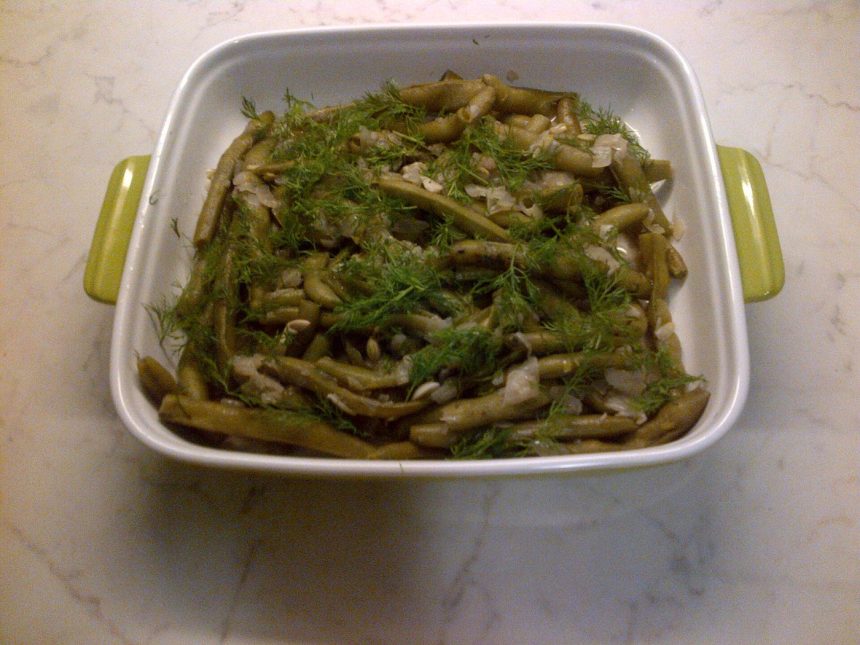
Mediterranean cooking becomes easier to keep up when the focus shifts from strict recipes to a small set of flexible base dishes that change with the season. A pot of beans simmered with tomatoes, garlic, and olive oil can become a soup one day and a warm salad the next with lemon, herbs, and crumbled cheese. Grilled vegetables, tinned fish, eggs, and whole grains fill gaps without elaborate planning. This way of cooking suits busy households because leftovers are an ingredient, not an accident. It also keeps meals colourful, filling, and rich in fibre without relying on expensive speciality products every week.
What the Evidence Shows
Shoppers can build a Mediterranean basket gradually: olive oil, pulses, tomatoes, onions, leafy greens, yoghurt, nuts, and whatever fish or vegetables are good value that week. Herbs and spices do much of the flavour work, so dried oregano, cumin, smoked paprika, and fresh parsley are worth keeping ready. Nutrition researchers value this pattern for its balance of plant foods, unsaturated fats, and modest amounts of animal protein. Home cooks do not need perfection to benefit. Swapping a few regular dinners each week toward beans, vegetables, and olive oil is a realistic change that can last for years. Reporting and analysis from sources such as National Institutes of Health track the same developments, and specialists following flexible Mediterranean bases for weeknights say the direction is now consistent across independent lines of evidence.
The Wider Context
The wider context is a health system trying to move from treating illness late to preventing it early, against budgets that reward the opposite. Evidence around flexible Mediterranean bases for weeknights is being weighed by guideline committees that ask two questions in order: does it work, and can ordinary services actually deliver it at scale. Many good ideas pass the first test and stall on the second.
What Happens Next
What happens next for flexible Mediterranean bases for weeknights depends on the slow machinery of guidelines, funding and training catching up with the evidence. Patients asking about it today should expect honest answers that include uncertainty, and clinicians say a service that explains what is not yet known earns more trust than one that oversells. The research pipeline, at least, is moving in the right direction. You can follow related developments in our coverage of health.
None of this will be settled by a single announcement, study or product launch. The pattern to watch is accumulation: independent confirmations, honest reporting of failures and steady improvement in the underlying numbers. Readers who follow those signals, rather than the loudest claim of the week, will understand this subject better than most of the commentary surrounding it suggests is possible.
There is a practical lesson in all of this for readers deciding what to do today. Start with the verified facts, be wary of anyone promising certainty, and prefer reversible steps while the evidence is still developing. Circumstances differ by country, income and personal situation, so general guidance should always be weighed against your own context before you act on it in any significant or lasting way.