

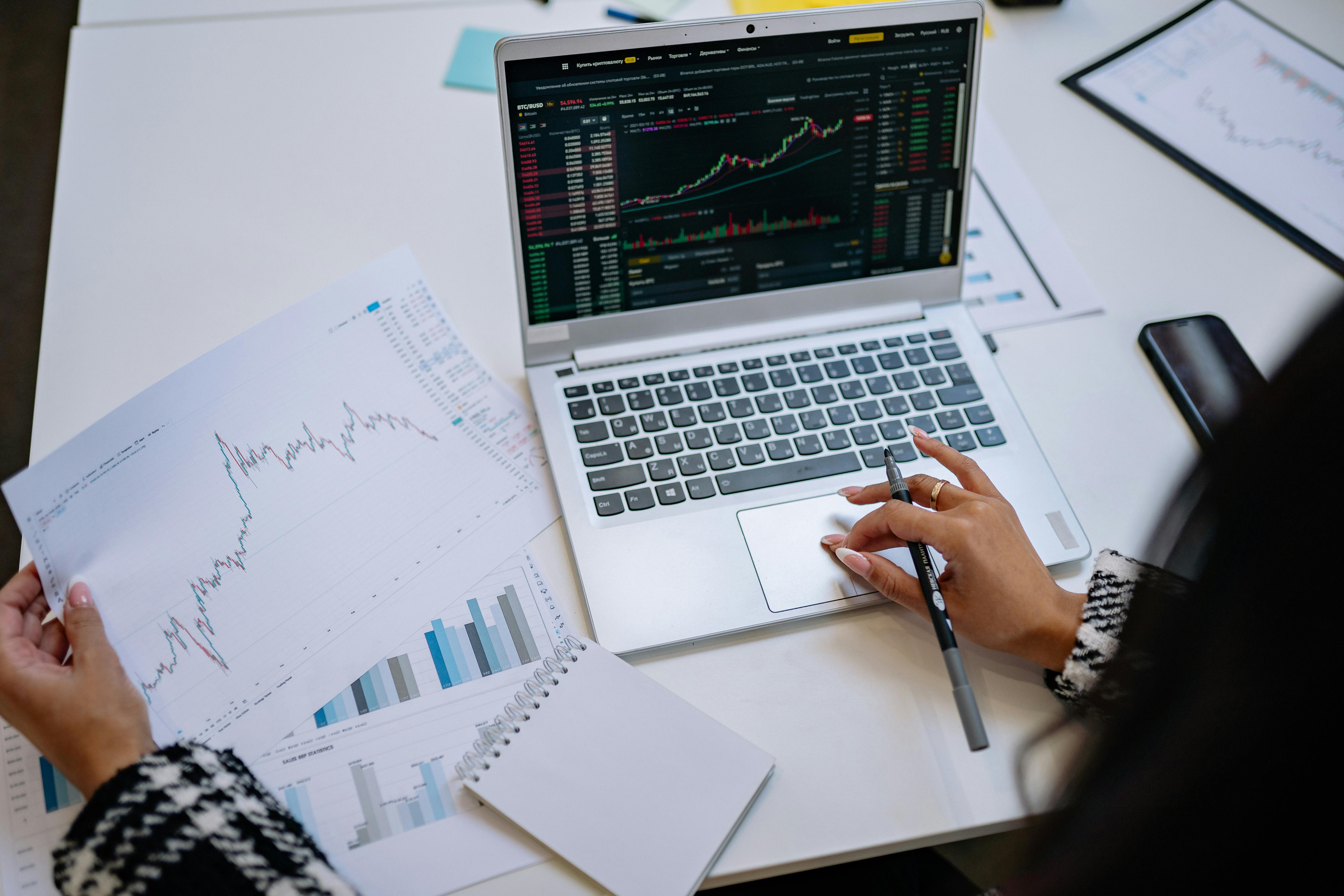
Modern markets move quickly. News breaks without warning, charts shift in seconds and traders try to keep their footing in a landscape that never sits still. Good tools bring order to the chaos. They give traders a framework for decisions so they can approach the market with less guesswork and more intention. When information is organised and presented in a way that makes sense, decisions become clearer and mistakes become easier to avoid.
A successful trading routine does not depend only on instinct. It depends on how well you prepare, what you choose to focus on and the tools you rely on to guide your attention. That is where the right platform features begin to matter, because structure brings clarity and helps you navigate fast-moving markets with a calmer, more deliberate mindset.
Understanding What Modern Trading Tools Actually Do
Trading tools exist to make information usable. Charts help traders turn price movement into patterns. Indicators help them understand momentum, strength or exhaustion. Watchlists highlight the assets that matter most so the day does not dissolve into constant scrolling. Economic calendars keep major announcements visible, because a single release can shift an entire session.
Most traders need a way to manage noise. The market throws out endless data points, and not every one deserves a reaction. Tools help filter the unimportant signals from the important ones. A clean chart with the indicators you trust is easier to interpret than a screen full of conflicting opinions. The same applies to news feeds. Traders need context, not clutter.
Tools also help build rhythm. When you review charts at set times, check upcoming events and scan your chosen assets, you create a routine that supports consistency. Markets reward preparation far more often than they reward improvisation. Tools make preparation possible because they show the same information the same way every day.
Building A More Confident Trading Routine
Confidence grows when you feel organised. Trading tools support that organisation by giving structure to each decision. Alerts help traders avoid staring at screens for hours. They trigger only when something meaningful happens. Watchlists focus attention on assets that suit a trader’s plan. Notes and drawing tools help log ideas and track them over time. This kind of structure creates calm, especially during volatile sessions.
Traders often explore platforms such as www.luxrencapital.com when they want access to charting features or multi-asset data that keeps everything in one place. A single hub for analysis can make it easier to manage information without jumping between different sites.
Routines become even stronger when tools support planning. Many traders review the market each morning, mark out key levels, check scheduled announcements and prepare a rough scenario for the day. Tools help make that planning quick. A saved layout, a set of indicators and a clear workspace mean you start each session ready rather than reactive.
The psychological benefit of this cannot be overstated. When traders feel grounded, they take fewer impulsive trades. They wait for confirmation. They recognise when their plan is unfolding and when it is time to step aside. Tools help create that internal steadiness because they turn preparation into habit.
Why Multi-Asset Access Changes Decision Quality
Traders rarely operate in isolation. Even if someone focuses on stocks, crypto or commodities, correlations matter. When different asset classes move for related reasons, it gives traders a wider view of the landscape. Multi-asset access, supported by effective tools, makes this kind of cross-market awareness easier.
Consider a day when equities rise while the dollar falls. Traders accustomed to watching only their favourite charts might miss the bigger pattern. Tools that display multiple markets side by side help reveal those relationships. This wider perspective sharpens decision-making because traders can see whether a move is local or part of a global story.
The same applies to volatility. Some traders track indices to gauge overall market mood before committing to positions in other assets. Others watch commodity or bond movements to understand risk appetite. Tools that deliver these views in a clear, consistent way help traders make better choices. They also reduce misunderstandings that come from focusing too narrowly.
A good toolset helps traders step back and recognise the broader picture. It turns scattered information into something coherent and easier to act on.
Keeping Risk Visible Instead of Hidden
Risk is easier to manage when you can see it clearly. Many traders underestimate their exposure because they rely too much on instinct and too little on structured information. Tools make risk visible. Position sizing calculators show whether a trade aligns with your rules. Volatility measures highlight when the market environment changes. Stop-loss planning features help traders commit to boundaries before emotions interfere.
Visibility helps traders stay honest with themselves. When you know exactly how much you are risking, you approach the trade with more respect. Tools enforce that respect by showing the numbers plainly. They reduce the temptation to widen stops, double down or chase moves that do not fit the plan.
They also keep traders steady during difficult periods. When markets become unpredictable, it is easy to feel overwhelmed. Tools that measure trends, ranges and volatility help traders understand whether conditions suit their strategy. This prevents unnecessary trades and supports long-term survival, which is often the most overlooked aspect of trading.
Risk management is not about fear. It is about clarity. Tools provide that clarity by turning abstract danger into concrete information.
Bringing It All Together
Trading is an ongoing conversation between preparation and opportunity. Tools shape that conversation by giving traders a way to interpret the market without drowning in information. They help build routines, manage risk, track multiple assets and maintain a sense of order even when conditions shift quickly. When the market feels unpredictable, a stable set of tools brings consistency and confidence, allowing traders to stay grounded even during sharp swings.
Good decision-making begins with visibility. Tools provide that visibility by making information clear and dependable. Traders who use them thoughtfully tend to make decisions that reflect structure rather than impulse, which supports steady growth over the long term.