

Introduction
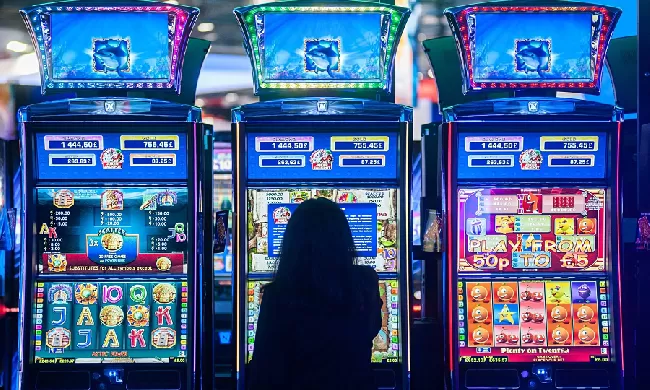
Slot games have become a familiar part of the digital entertainment industry. What started as simple mechanical machines has developed into a wide range of electronic games with different themes, visual effects, sound designs, and interactive features. Today, slot games can be found on various digital platforms, where users can explore different styles and game formats.
The popularity of slot is connected to their straightforward design. Most games use reels, symbols, and combinations to create an easy-to-understand experience. However, modern versions often include additional features that make each game look and feel different. From traditional fruit symbols to creative adventure themes, the variety of available designs continues to grow.
This article explores how slot games are designed, what features they commonly include, and how technology has influenced their development.
The Basic Concept Behind Slot Games
A slot game generally uses a set of reels containing different symbols. When a round begins, the reels move and eventually stop to display a combination of symbols. The game follows a predefined set of rules to determine the result.
Traditional machines used physical reels and mechanical components. Modern digital versions use software to create the same general experience on computers, tablets, and smartphones.
Although the appearance of a game may change, its basic structure often includes:
Reels that display different symbols.
Symbols with different values or functions.
Paylines or alternative winning patterns.
A control system for starting and managing rounds.
Rules explaining how the game operates.
Each game has its own instructions, so understanding the rules is important before using any platform.
How Slot Games Have Changed Over Time
The development of slot games reflects wider changes in entertainment technology.
Mechanical Machines
Early slot machines were built with physical components. Players operated a lever or button to activate the reels. Their designs were relatively simple, often featuring traditional symbols such as bells, fruits, and numbers.
Electronic Machines
Electronic technology introduced more flexible game designs. Developers could add additional symbols, sounds, display effects, and different reel arrangements. This created opportunities for more creative experiences.
Online Platforms
The growth of the internet allowed slot-style games to become available through digital platforms. Instead of visiting a physical location, users could access compatible games through supported websites and applications.
Mobile Gaming
Smartphones changed the way people interact with digital entertainment. Developers began creating games that adjust to smaller screens, touch controls, and different mobile operating systems.
These developments have made slot games more visually advanced, although the underlying outcomes remain based on chance.
Different Categories of Slot Games
There are several types of slot games, and each category has its own design and features.
1. Classic Slots
Classic slots are inspired by traditional machines. They usually have a small number of reels and familiar symbols. Their simple layout makes them easy to understand.
2. Video Slots
Video slots use digital graphics, animations, and themed backgrounds. Their designs may be inspired by nature, history, fantasy, travel, or fictional stories.
3. Progressive Jackpot Slots
Some games are connected to jackpot systems in which a displayed prize can increase according to the game's rules. These systems have specific conditions, and a large advertised prize does not mean that a win is likely.
4. Multiway Slots
Multiway formats use different symbol arrangements to create several possible matching patterns. Their layouts may differ from traditional fixed-payline games.
5. Cluster-Based Slots
Instead of relying only on traditional paylines, cluster-based games may recognize groups of matching symbols placed next to one another. Some include cascading effects, where symbols disappear and new ones take their place.
Important Features Found in Slot Games
Modern slot games may include several features that influence their appearance and operation.
Wild Symbols: These symbols can replace certain other symbols to help create combinations, depending on the rules of the game.
Scatter Symbols: Scatter symbols may activate special functions when a required number appears. Their exact role varies between games.
Bonus Rounds: Some titles include additional rounds with different visuals or rules. These features are usually explained in the game's information section.
Multipliers: A multiplier changes the value of a result according to a specified calculation. It does not guarantee a positive outcome.
Free-Spin Features: Certain games include rounds where a specific number of spins can be played without placing another individual spin amount. Conditions and restrictions vary.
Understanding these features helps users recognize how different games are structured.
The Role of Graphics and Sound
Visual presentation is an important part of modern digital game design. Developers use colors, animations, backgrounds, and character designs to create a recognizable theme.
For example, a game based on ancient history might use architectural details and traditional artwork. A nature-themed game could include forests, animals, and environmental sounds. A futuristic design may use bright effects and animated technology-inspired elements.
Sound also contributes to the overall presentation. Background music, reel movement sounds, and feature notifications are often designed to match the selected theme.
These elements improve presentation, but they do not change the random nature of game outcomes.
Random Number Generators and Game Results
Digital slot games commonly use a system called a Random Number Generator, or RNG. It produces numbers that software uses to determine game results.
A properly implemented RNG is designed to make outcomes unpredictable. Previous results do not provide a reliable way to predict future results.
For this reason, patterns, timing tricks, and repeated combinations should not be treated as guaranteed methods of achieving a particular outcome.
Users who want to understand a game should review its rules, available information, and relevant testing or certification details where provided.
Understanding RTP and Volatility
Two terms often discussed in relation to slot games are Return to Player (RTP) and volatility.
Return to Player
RTP is a theoretical percentage describing how much a game is designed to return over a very large number of rounds. It is a statistical figure, not a promise about what an individual will receive.
For example, an advertised RTP does not mean that a user will receive that percentage back during a short session.
Volatility
Volatility describes how game results may be distributed.
Lower volatility: Results may occur in smaller amounts more frequently.
Higher volatility: Results may be less frequent but can vary more significantly.
Neither type guarantees a particular result. Both are statistical characteristics rather than strategies for winning.
The Importance of Mobile Compatibility
Mobile compatibility has become an important consideration for digital entertainment platforms. A well-designed mobile game should display correctly on different screen sizes and offer controls that are easy to understand.
Common mobile design elements include:
Responsive layouts.
Touch-friendly controls.
Readable text and instructions.
Optimized graphics.
Compatibility with supported browsers and devices.
Users should also consider their device security and internet connection when accessing online services.
Choosing a Reliable Digital Platform
People researching online gaming platforms should pay attention to more than appearance or promotional offers. A professional-looking website does not automatically mean that a service is trustworthy.
Some important points to consider include:
Licensing: Check whether the platform has the required authorization in the relevant jurisdiction.
Security: Look for clear information about website security and data protection.
Transparency: Rules, terms, and conditions should be available and understandable.
Customer Support: Reliable services should provide clear ways to contact their support teams.
Privacy: Review how personal information is collected, stored, and used.
Local Laws: Make sure the service complies with the laws where you live.
Users should avoid websites that make unrealistic promises or hide important conditions.
Responsible Gaming and Financial Awareness
Slot games are based on chance, and real-money gambling can result in financial losses. No system, software, or playing pattern can guarantee a win.
Anyone considering gambling should first check local laws and age restrictions. It is important not to use money needed for essential expenses, borrow money to gamble, or treat gambling as a way to earn income.
Setting clear limits and taking breaks can help people maintain control over their entertainment choices. If gambling begins to affect finances, relationships, work, or daily life, seeking support from a qualified local service is a sensible step.
Future Developments in Slot Game Design
Technology will likely continue influencing the appearance and functionality of digital slot games. Developers may explore improved animation, more responsive interfaces, advanced sound design, and new ways to present interactive features.
Artificial intelligence may also be used in areas such as customer support, accessibility, and software testing. Meanwhile, stronger security standards and clearer information about game rules can help improve transparency.
However, more advanced graphics and technology do not change the fact that chance-based games remain unpredictable.
Conclusion
Slot games have developed from basic mechanical machines into digitally designed entertainment experiences. Modern versions offer different themes, reel structures, visual effects, and special features that make each title unique.
Understanding their basic mechanics, common terminology, and digital design can help readers learn more about this category of entertainment. It is equally important to recognize that game results are based on chance and that no method can guarantee success.
Anyone exploring this subject should prioritize legal requirements, platform security, privacy, and responsible entertainment. Making informed decisions is more important than following unrealistic promises or claims about guaranteed results.