

Introduction
The fitness and wellness industry has expanded considerably, offering consumers access to a wide range of products designed for different nutritional, fitness, and performance-related interests. From protein supplements and essential nutrients to specialised compounds and research-related products, the marketplace includes categories with considerably different characteristics, purposes, and regulatory requirements.
Although greater product availability provides more opportunities for consumers to explore different options, it also creates challenges when comparing products. Similar marketing descriptions may be used for substances that have different ingredients, biological properties, and levels of scientific evidence. Understanding these differences is important when evaluating product information and identifying potentially misleading claims.
Responsible product research begins with understanding classifications, reading ingredient information, assessing manufacturing quality, and recognising the importance of regulatory requirements. Rather than relying exclusively on promotional descriptions or customer testimonials, consumers benefit from examining the information available about individual products. A clear understanding of these considerations can support more informed decisions across the performance and wellness marketplace.
1. Understanding the Main Categories of Fitness and Performance Products
Fitness and performance products cover several broad categories, each with distinct characteristics and considerations. Nutritional supplements are among the most familiar. These products may contain vitamins, minerals, amino acids, protein, or other dietary ingredients intended to supplement normal nutritional intake. Their composition and regulatory classification determine the requirements that apply to their sale and marketing.
Protein products are commonly associated with sports nutrition. They provide concentrated sources of dietary protein and may be available as powders, ready-to-drink beverages, or other formulations. Different protein sources include whey, casein, soy, and plant-based combinations. Their nutritional profiles can vary according to ingredient composition and manufacturing methods.
Vitamins and minerals represent another important category. Nutrients such as vitamin D, calcium, iron, and magnesium contribute to normal physiological functions, including bone maintenance, oxygen transport, and energy metabolism. However, nutritional requirements differ between individuals, and supplementation should not automatically be considered necessary when dietary intake is already adequate.
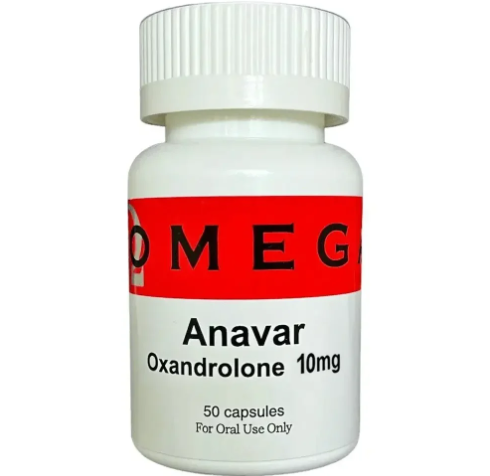
The marketplace also includes specialised performance-related substances, including oral and injectable compounds. These may have different biological activities and regulatory classifications from conventional nutritional supplements. Some are prescription medicines, while others may be experimental or restricted substances. Their presence within an online marketplace does not establish approval for human consumption.
Peptides form another distinct category. These molecules consist of amino acid chains and may be investigated for their interactions with particular biological pathways. Their research status, composition, and potential applications vary significantly between individual compounds.
Understanding these distinctions is essential because products should not be grouped together simply because they are marketed towards fitness enthusiasts. Their intended purposes, supporting evidence, and safety considerations require individual assessment.
2. Learning to Read Product Labels and Ingredient Information
Product labels provide important information about composition, formulation, and relevant safety considerations. However, interpreting them requires more than identifying the product name or recognising familiar ingredients. A careful examination of the ingredient list and accompanying documentation can reveal important differences between products that initially appear similar.
Active ingredients are the substances responsible for a product’s intended function or biological activity. In nutritional supplements, these may include vitamins, minerals, amino acids, or other dietary ingredients. In specialised products, ingredient descriptions may involve more technical terminology, chemical names, or compound classifications.
Concentrations and quantities also matter. A product may contain several ingredients in different amounts, making it important to understand the units used in its description. Milligrams, micrograms, grams, and percentages communicate different measurements. Comparing products without considering these distinctions can lead to incorrect assumptions about their composition.
Inactive ingredients deserve attention as well. These may include fillers, stabilisers, flavouring agents, preservatives, and other substances used during formulation. Although they may not represent the primary ingredient, they contribute to the finished product and may be relevant to individuals with allergies or sensitivities.
Product descriptions should also identify relevant warnings, storage requirements, manufacturing information, and applicable regulatory details. For regulated natural health products in Canada, labels must provide important information about medicinal and non-medicinal ingredients, recommended uses, and safety warnings.
Incomplete descriptions, unidentified ingredients, or inconsistent product information make reliable evaluation more difficult. Consequently, transparent labelling is an important starting point for understanding product composition and comparing available information.
3. What Product Quality and Laboratory Testing Actually Tell Consumers
Product quality is an important consideration across the fitness and wellness industry, particularly when products contain specialised ingredients or complex formulations. Consumers may encounter references to laboratory verification, purity testing, batch documentation, and manufacturing standards. Understanding what these terms establish, and what they do not establish, is essential when evaluating product information.
The Omega Full Potential product catalog represents the broader range of fitness supplements, performance-related products, peptides, and sexual wellness products available through a Canadian e-commerce platform serving adults interested in fitness and wellness. When examining product categories within this marketplace, ingredient transparency, manufacturing information, and relevant quality documentation are important considerations. Different product classifications may require different forms of verification, making it important to assess each category according to its characteristics rather than applying one general quality standard.
Third-party laboratory testing can provide information about specific product characteristics. Depending on the testing method, laboratories may examine ingredient identity, concentration, purity, or the presence of certain contaminants. These results can help establish whether a tested sample meets particular specifications.
Certificates of analysis, commonly called COAs, are documents that communicate laboratory findings. A useful certificate generally identifies the tested material, relevant analytical methods, measured results, and applicable batch information. The laboratory conducting the analysis and the scope of testing are also important when interpreting the document.
However, laboratory verification has limitations. A test confirming the identity or purity of a substance does not independently establish that the substance is safe for human consumption, clinically effective, or authorised for a particular use. Similarly, testing one batch does not automatically establish the characteristics of every subsequent batch.
Manufacturing transparency provides additional context. Traceability, batch identification, appropriate packaging, and documented quality-control procedures contribute to a clearer understanding of product handling. Nevertheless, quality documentation should always be interpreted alongside the product’s regulatory status and available safety evidence.
4. Comparing Different Product Formats and Their Characteristics
Fitness and performance products are available in several formulations, including powders, tablets, capsules, liquids, and injectable formats. These formats differ in composition, manufacturing requirements, storage considerations, and intended methods of use. Understanding these differences helps explain why products containing similar ingredients may not be directly interchangeable.
Several characteristics distinguish common product formats:
- Powders: Powdered products are frequently used for protein supplements, amino acid formulations, and other nutritional products. Their composition may vary according to ingredient concentration, flavouring agents, sweeteners, and additional components. Moisture exposure and storage conditions can influence product stability, making appropriate packaging important.
- Tablets and capsules: These formats are commonly used for vitamins, minerals, and other formulated products. Tablets contain ingredients compressed into a solid form, while capsules contain ingredients within an outer shell. Their manufacturing processes, ingredient combinations, and release characteristics may differ.
- Liquid formulations: Liquid products can include nutritional beverages, concentrated formulations, and other specialised preparations. Their stability may depend on preservatives, packaging, temperature, and storage conditions. Clear information about composition and shelf life is particularly important when evaluating these products.
- Injectable formulations: Injectable products involve additional considerations because substances are introduced through routes that bypass some of the body’s natural protective barriers. Sterility, contamination control, formulation quality, and regulatory authorization are critical. Products should not be assumed suitable for injection simply because they are presented in a vial or liquid preparation.
- Specialised and research-related formulations: Certain compounds are supplied in formats intended for laboratory research rather than human consumption. Their packaging and technical descriptions do not establish suitability for personal use. Research classification and regulatory status must be understood independently of the physical format.
A product’s formulation alone does not establish its quality or effectiveness. Two products with similar appearances may have entirely different compositions, manufacturing requirements, and regulatory classifications. Consequently, comparisons should consider the full product specification rather than focusing exclusively on presentation or convenience.
5. Recognising Regulatory Differences Across Performance and Wellness Products
Regulatory classification is one of the most important aspects of evaluating products in the Canadian health and wellness marketplace. Different substances are subject to different requirements depending on their composition, intended purpose, and legal classification. This distinction is particularly relevant because nutritional supplements, prescription medicines, and experimental compounds cannot be evaluated using identical standards.
Health Canada regulates natural health products under a framework that includes requirements for product licensing, safety, quality, and permitted claims. Licensed natural health products generally carry an eight-digit Natural Product Number (NPN) or Homeopathic Medicine Number (DIN-HM). These identifiers allow consumers to verify relevant product information through official databases.
Prescription drugs follow a different regulatory pathway. They require appropriate authorization and carry a Drug Identification Number (DIN). Their approved uses, conditions of sale, and safety information are established through the applicable regulatory process.
Performance-enhancing substances may involve additional considerations. Certain compounds are prescription-only medicines, while others may have restrictions or may not be authorized for human use. A product’s availability through an online retailer does not automatically establish that it is approved for sale or consumption in Canada.
Research-use-only compounds require particular caution. Such classifications indicate that the product is presented for research purposes rather than as an approved consumer health product. Preliminary scientific interest does not replace the evidence and regulatory assessment required for human applications.
Health Canada provides official information about authorized health products and warns consumers about the risks associated with unauthorized products purchased online. These risks can include incorrect ingredients, contamination, counterfeit products, and inadequate storage. <Link ref=”turn618745search0″ title=”Health Canada’s guidance on buying health products online”/> provides further information.
Understanding regulatory differences helps prevent the assumption that every product marketed within the fitness and wellness industry has undergone the same level of assessment.
6. A Practical Framework for Evaluating an Online Product Catalogue
Online product catalogues can contain extensive information, including ingredient descriptions, product specifications, technical terminology, and category classifications. A structured evaluation process helps consumers identify relevant information and recognise potential gaps before making decisions.
Several considerations can support a more informed review:
- Examine the product classification: The first step involves identifying whether a product is a conventional nutritional supplement, a regulated medicine, a specialised performance substance, or a research-related compound. This classification provides context for understanding the applicable requirements and available evidence.
- Review the complete ingredient information: Product descriptions should clearly identify relevant ingredients and provide sufficient information about their composition. Unclear ingredient names, missing specifications, and unexplained proprietary descriptions can make meaningful comparisons difficult.
- Check available regulatory information: For products subject to Canadian authorization requirements, relevant identifiers should be verified through official Health Canada databases. A product description alone should not be treated as proof of regulatory approval.
- Assess supporting documentation: Laboratory reports, certificates of analysis, and manufacturing information may provide useful details about product characteristics. Their value depends on the testing methods, batch identification, laboratory credibility, and scope of the reported results.
- Look for clear warnings and storage information: Product documentation should communicate relevant handling requirements and applicable safety information. Missing warnings or vague storage instructions can indicate that important details require clarification.
- Recognise exaggerated marketing claims: Promises involving guaranteed physical transformation, exceptional recovery, or dramatic performance improvements should be approached cautiously. Commercial language does not replace reliable scientific evidence.
- Consider professional guidance where necessary: Products involving prescription substances, hormonal pathways, or potential medication interactions require appropriate professional assessment. A qualified healthcare practitioner can help evaluate relevant health considerations and explain potential risks.
A well-organised catalogue should make essential product information accessible and distinguish between categories with different purposes and regulatory requirements. However, responsibility for evaluating health-related information also involves checking independent sources and recognising the limits of commercial descriptions.
Conclusion
The modern fitness and wellness marketplace includes a diverse range of nutritional supplements, performance-related products, specialised compounds, and research-related substances. Although these categories may attract similar consumer interest, they differ considerably in composition, formulation, scientific evidence, and regulatory requirements.
Understanding ingredient labels, product formats, laboratory documentation, and manufacturing information provides a stronger foundation for evaluating product quality. Equally important is recognising that purity testing does not establish clinical effectiveness or human safety, and online availability does not necessarily indicate regulatory authorization.
A responsible approach to product research therefore involves examining individual products rather than relying on broad marketing categories. Transparent documentation, appropriate regulatory verification, credible scientific evidence, and qualified professional guidance all contribute to more informed decisions within the performance and wellness industry.