
Modern boats rely on electrical systems for many essential functions, from lighting and navigation to communication, entertainment, and engine monitoring. Behind these systems are numerous components that help everything operate safely and efficiently. Electrical accessories provide practical solutions for connecting, controlling, protecting, and organizing a boat's electrical equipment.
Understanding Marine Electrical Accessories
Marine electrical accessories include a wide variety of components used throughout a vessel. These may include switches, circuit breakers, fuses, terminals, connectors, sockets, battery accessories, cables, relays, panels, and other electrical hardware.
Unlike standard household electrical products, marine accessories need to operate in an environment where moisture, vibration, temperature changes, and corrosion can be significant concerns. Selecting products designed specifically for marine applications can therefore support reliable long-term performance.
The Importance of Quality Components
A boat's electrical system can contain numerous interconnected components. A problem with one small connection can potentially affect a larger system. High-quality electrical accessories help create secure and dependable connections while supporting proper power distribution.
Marine-grade components are often designed with protective materials and finishes that help resist corrosion. This is especially useful for boats operating in saltwater environments, where exposed electrical connections can face additional challenges.
Switches and Control Components
Switches are among the most frequently used electrical accessories on a boat. They allow operators to control lights, pumps, fans, electronics, and other onboard equipment.
A well-organized switch panel can make it easier to identify and operate individual systems. Clearly labeled controls also contribute to a more organized helm or electrical panel, making routine operation more convenient.
Circuit Protection
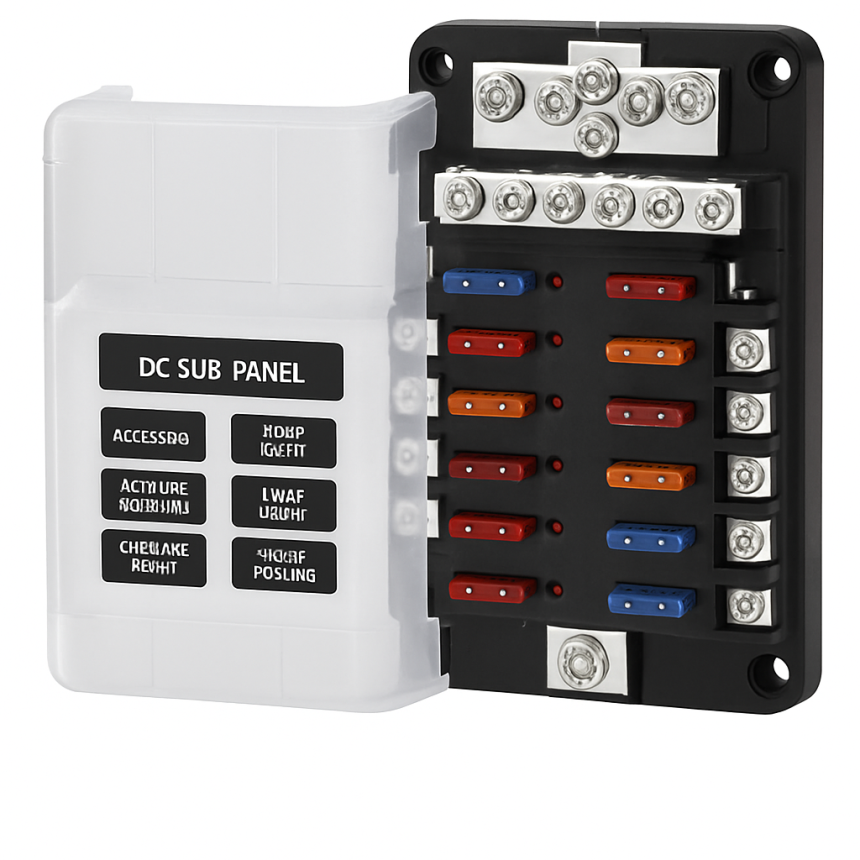
Electrical systems require appropriate protection against excessive current. Fuses and circuit breakers are commonly used to help protect wiring and connected equipment.
Circuit breakers offer the convenience of being reset after activation, while fuses are designed to be replaced after they operate. The correct protection device should be selected according to the circuit and manufacturer's specifications.
Using appropriate circuit protection is an important part of maintaining a reliable marine electrical system.
Cables, Terminals, and Connectors
Cables and connection hardware form the foundation of many onboard electrical systems. Electrical accessories such as terminals, connectors, cable glands, and heat-shrink products can help create secure and protected connections.
Marine environments make proper connection practices particularly important. Moisture and corrosion can affect exposed terminals, so suitable marine-grade connectors and protective measures can help maintain electrical reliability.
Battery-Related Accessories
Batteries provide power for many essential onboard systems, making battery accessories an important part of marine electrical equipment. Battery switches, terminals, cable connectors, monitoring equipment, and charging accessories can all contribute to an organized power system.
A properly installed battery setup can make it easier to manage electrical loads and isolate circuits when required. Regular inspection of battery connections can also help identify corrosion or loose terminals before they become larger problems.
Installation and Maintenance
Proper installation is essential for getting the best performance from marine electrical accessories Wiring should be correctly sized for the intended load, connections should be secure, and components should be installed in suitable locations.
Regular maintenance is equally important. Boat owners should inspect wiring, connectors, switches, and protective devices for corrosion, loose connections, damaged insulation, or other signs of wear.
Keeping electrical components clean and dry where possible can also support longer service life.
Upgrading a Boat's Electrical System
As boating technology develops, many owners choose to upgrade their electrical systems with modern lighting, navigation equipment, USB charging outlets, monitoring devices, and energy-management solutions.
Using compatible electrical accessories during an upgrade can help create a neat and efficient installation. Planning the system carefully before adding new equipment is important to ensure that the electrical supply and protection devices can accommodate additional loads.
Conclusion
Electrical accessories are essential for creating a functional, organized, and dependable marine electrical system. From switches and circuit breakers to cables, connectors, battery components, and terminals, each part has an important role in supporting onboard equipment.
By choosing marine-suitable products, installing them correctly, and carrying out regular inspections, boat owners can improve the reliability and convenience of their electrical systems. Quality electrical accessories are a practical investment for maintaining a modern, efficient, and well-equipped boat.